
Looking for a CBT therapist in Brixton? This page lists qualified Cognitive Behavioural Therapy practitioners in and around the area, accredited by the BABCP and other recognised bodies.
Therapy in Brixton
Brixton is one of south London's most well-known and culturally significant neighbourhoods, located in the London Borough of Lambeth. It has a rich heritage, a lively market, and a creative, diverse community. Brixton is on the Victoria line, offering fast connections to central London and beyond. It borders Stockwell, Streatham, and Herne Hill.
What is CBT therapy?
Cognitive Behavioural Therapy — CBT — is a structured, evidence-based form of therapy that focuses on the relationship between thoughts, feelings, and behaviours. The core idea is that our thoughts influence how we feel, and our feelings influence how we behave. By identifying and challenging unhelpful thought patterns, we can change how we respond to difficult situations.
CBT is one of the most extensively researched therapies in existence, with strong evidence for anxiety, depression, OCD, PTSD, phobias, eating disorders, and more. It is typically a relatively short-term therapy — often completed in 6 to 20 sessions — and is recommended by NICE (the National Institute for Health and Care Excellence) as a first-line treatment for many conditions.

Delso Batista
I offer a calm, reflective space where you can talk openly about whatever is weighing on you, your emotions, relationships, identity, work…
View profile
Angela Risner
I am an accredited therapist with many years experience and can help with any issues you are experiencing offering support and reflection…
View profile
Nilima Choudhury
I’m a UKCP-registered Person-Centred Psychotherapist with experience across psychiatric residential settings, NHS services, low-cost…
View profile
Dawn Lucas
UKCP-registered and HCPC-registered Arts Psychotherapist and psychosexual therapist based in London, working from three locations: Clapham…
View profile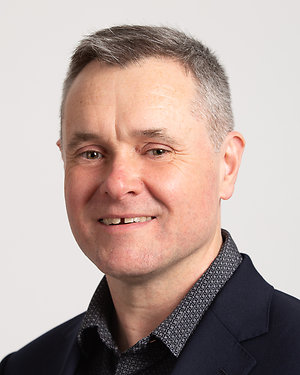
Matt Reid
BACP-accredited counsellor and clinical supervisor based at Health Hub London in Herne Hill, South London, offering both in-person and…
View profile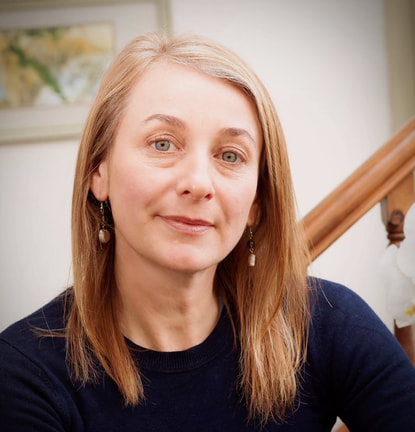
Tilly Hawkins
I am a registered counsellor and psychotherapist based in Tulse Hill, South East London, working with clients from Brixton, Herne Hill and…
View profile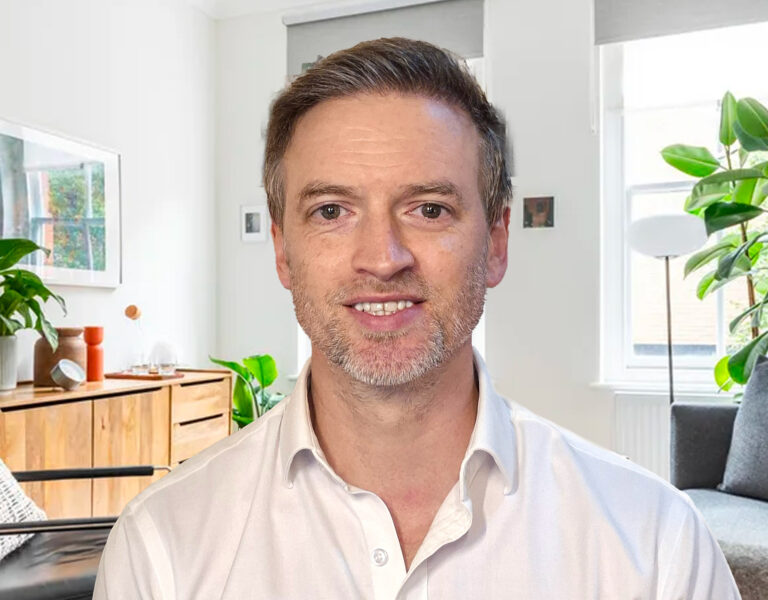
David Pringle
Hi there, my name is David and I am a BACP accredited therapist with over 9 years of experience. I provide a safe, non-judgemental space…
View profile
Chisom Deborah
I can help young people, adults and families make sense of what they are finding difficult and feel more supported in the process. My…
View profile
Piers Hadman
BACP registered integrative counsellor based in South West London. He practises from a distinctly neuro-affirmative stance, taking a…
View profile
Silvi Naskinova
I can help you understand how past and present experiences may be shaping your relationships, emotions and ways of coping. Working…
View profile
Amandeep Chana
As an integrative counsellor with a CBT-informed approach, I offer a safe, warm and welcoming space where you can be yourself and speak…
View profile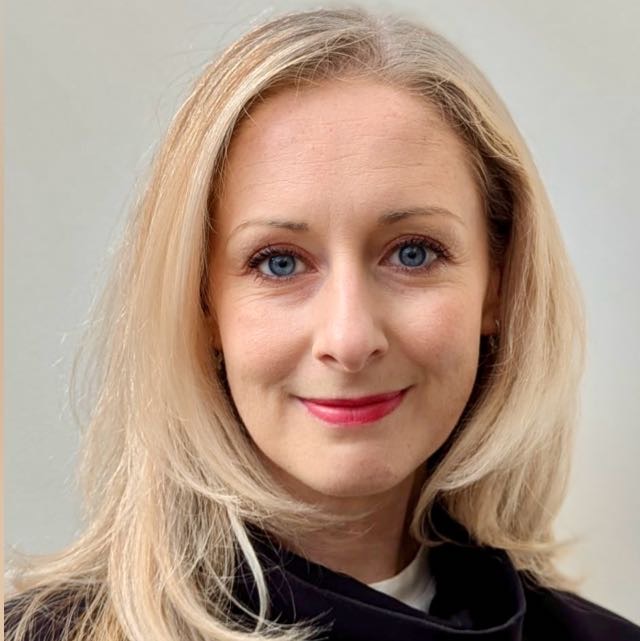
Dr Claire Tobin
Many of the difficulties we experience in adulthood can be shaped by early relationships and experiences. I am a Senior Clinical…
View profileWhat to expect from CBT therapy
CBT sessions are structured and goal-focused. You and your therapist will identify the specific problems you want to work on, and together explore the thoughts and behaviours connected to them. Between sessions, you will usually be given exercises or practices to try — this practical work is a core part of how CBT builds change over time.
A good CBT therapist will be practical and collaborative rather than directive. Over time, you will build a toolkit of skills for managing difficult thoughts and feelings more effectively — skills that remain useful long after therapy ends. CBT therapists accredited by the BABCP (British Association for Behavioural and Cognitive Psychotherapies) have completed rigorous specialist training.
Frequently Asked Questions
What conditions does CBT treat?
CBT has strong evidence for anxiety disorders, depression, OCD, PTSD, phobias, social anxiety, panic disorder, eating disorders, and health anxiety. It is also widely used for stress, low self-esteem, sleep difficulties, and anger management.
How is CBT different from other therapies?
CBT is more structured and present-focused than psychodynamic or psychoanalytic therapy. It focuses on current thought patterns and behaviours rather than exploring the past in depth. Both approaches have value — your therapist can help you decide which is likely to suit you best.
How many CBT sessions do I need?
NICE guidelines recommend 8 to 16 sessions for most anxiety and depression presentations. Some people find significant improvement in fewer sessions; others benefit from a longer course. Your therapist will review progress regularly and adjust accordingly.