

Written by Luisa Kos
Table of contents


Understanding grief and loss
If you are struggling with grief, know that support is available. Speaking to a professional can help you process your loss in a way that feels right for you.
How grief affects us
Emotional effects
- Profound sadness, emptiness, or despair
- Anger, irritability, or resentment (towards others, oneself, or even the person lost)
- Anxiety, fear, or uncertainty about the future
- Guilt and self-blame (“Could I have done something differently?”)
- Relief (especially after a long illness or a difficult relationship)
- Numbness or detachment from emotions
Cognitive and behavioural effects
- Difficulty concentrating or making decisions
- Forgetfulness or brain fog
- Restlessness or feeling constantly “on edge”
- Changes in sleeping or eating patterns
- Withdrawal from social connections
Physical effects
- Fatigue and exhaustion
- Aches and pains without a clear medical cause
- Digestive issues
- Weakened immune system
- Chest tightness or shortness of breath (common in intense grief)
Grief can also resurface at unexpected times—even years later. Anniversaries, birthdays, places, or even certain songs can bring back strong emotions. This is a normal part of the healing process.
The grief process: Is there a right way to grieve?
Many people are familiar with the five stages of grief (denial, anger, bargaining, depression, and acceptance), but in reality, grief is not linear. It does not follow a predictable timeline. You may cycle through different emotions, feel “better” one day, and struggle the next.
Some experts describe grief as coming in waves—at first, the waves are constant and overwhelming, but over time, they become less frequent, even though they never fully disappear.
There is no set timeline for healing. Some people start to adjust within weeks or months, while others may take years to come to terms with their loss. Grief is not about “getting over it” but learning to live with it in a way that allows you to move forward while still honouring what you have lost.
Grief and relationships: The impact on those around you
Grief not only affects the individual but also their relationships. Some people withdraw from friends and family, while others seek connection and reassurance. It is common to experience:
- Frustration with loved ones who don’t seem to understand your grief
- Changes in communication styles (some people need to talk about their grief, while others prefer to process it internally)
- Conflicts arising from different ways of mourning within a family or community
- Feeling distant from friends or a partner due to the intensity of grief
If you are struggling to navigate grief within your relationships, therapy can help you express your needs and rebuild connections.
How to cope with grief
While there is no quick fix for grief, certain strategies can help:
1. Allow yourself to grieve in your own way
There is no single “right” way to process loss. Some people cry a lot, while others don’t cry at all. Some people need to talk, while others prefer solitude. However grief unfolds for you, it is valid.
2. Seek support
You don’t have to go through grief alone. Reach out to trusted friends, family, or support groups. Talking to a therapist can be especially helpful if your grief feels overwhelming or stuck.
3. Take care of your body
Grief can be physically exhausting. Try to prioritise:
- Sleep (even if it’s disrupted, aim for rest)
- Nutrition (eating small, nourishing meals can help)
- Movement (gentle exercise like walking can be grounding)
4. Honour your loss in meaningful ways
- Write a letter to the person or situation you’ve lost
- Create a memory book, journal, or art piece
- Light a candle or visit a meaningful place
5. Give yourself time and patience
Healing takes time. Some days will be harder than others, and that’s okay. The goal is not to “move on” but to find a way to live with grief that allows you to keep moving forward.
When to seek professional help
Grief is natural, but sometimes it can become overwhelming, prolonged, or interfere with daily life. You might benefit from therapy if:
- Your grief feels stuck or unbearable after a long period
- You struggle to function in daily life (work, relationships, self-care)
- You experience persistent guilt or self-blame
- You feel disconnected from the world around you
- You have intrusive thoughts about death or hopelessness
Therapists who specialise in grief can provide support, tools, and guidance to help you navigate your loss in a way that is meaningful to you.
Grief doesn’t hit us in tidy phases and stages, nor is it something that we forget and move on from; it is an individual process that has a momentum of its own, and the work involves finding ways of coping with our fear and pain, and also adjusting to this new version of ourselves, our “new normal.”
Julia Samuel
Find a specialist
Finding the right therapist to support you through grief is a personal process. Start by looking for specialists in grief, bereavement, or loss counselling, as they will have experience in helping people navigate the emotional, psychological, and relational challenges of grief. Consider whether you prefer in-person or online therapy, as well as the therapist’s approach—some may use talk therapy, mindfulness, or structured grief models, while others offer a more open-ended, client-led style. It’s also important to check their qualifications, experience, and accreditation with professional bodies like the BACP (British Association for Counselling and Psychotherapy) or UKCP (UK Council for Psychotherapy). A good therapist should make you feel heard, validated, and supported rather than rushed through the process. Many therapists offer an initial consultation—use this time to see if their style and personality feel like a good fit for you. If it doesn’t feel right, trust your instincts and keep looking; the right support can make all the difference.
Therapists who can help with grief and loss
Selina Rainford
I am an Integrative Therapist with eight years of training and experience supporting a wide range of clients. My work focuses on helping individuals address current difficulties in a supportive and respectful therapeutic space. I have experience working with issues including trauma, sexual abuse, alcohol and substance misuse, depression, anxiety, PTSD, family and relationship difficulties, anger and behavioural struggles, and sexuality or LGBTQ+ related concerns. I tailor my approach to each person’s needs and currently offer sessions online.
Ruth Hill
I am an Integrative Therapist specialising in Rational Emotive Behavioural Therapy (REBT), helping clients identify and challenge unhelpful beliefs and develop healthier ways of thinking. I am also a qualified Personal Trainer and recognise the close link between physical and mental wellbeing, often encouraging attention to sleep, nutrition, and regular movement as part of supporting emotional health.
Laura Farley
I offer a warm, confidential and non-judgemental space where clients can explore present challenges and understand themselves more clearly. My work is client-led and integrative, drawing on different therapeutic approaches to suit each person’s needs, sometimes including breathing, meditation and visualisation to support the mind–body connection. I have particular experience working with childhood and adolescent trauma, the psychological impact of physical health conditions, psychosexual difficulties, perinatal mental health, and relationship issues, including couples work. My aim is to offer a thoughtful therapeutic relationship that supports deeper understanding and meaningful, lasting change.
Anita Rhodes
I work mainly with professionals who feel overwhelmed by anxiety and pressure at work. Many of my clients arrive feeling exhausted, constantly overthinking, and worried they are about to burn out. Through therapy we focus on understanding the patterns that drive this pressure and developing ways to feel calmer, more confident, and able to set healthier boundaries
Julie Proudley
I have an MA Counseling Psychology and over 20 years managerial and therapeutic support experience within mental health services before starting full-time private practice in 2021. I am able to support holistically with a range of approaches, working at behavioural, mental, emotional and spiritual/energetic levels as appropriate, so it can be tailored to your needs to support you to create the change in your life you would like. The work is collaborative and I create a safe space where anything can be discussed and a space where self understanding, love and acceptance are part of the healing process. More recent trainings include Internal Family Systems, somatic processing, polyvagal theory and trauma-related counselling.

Tuesday Anne Benfield
I am a qualified counsellor specialising in ADHD (diagnosed or undiagnosed), obsessive compulsive disorder (OCD) and trauma. I work with people who feel overwhelmed by intrusive thoughts, anxiety, emotional dysregulation, low self-esteem or patterns in relationships that are difficult to change. My approach is supportive, practical and grounded in experience, helping clients better understand themselves, challenge unhelpful beliefs and develop healthier ways of coping. I have particular experience supporting people with OCD, including intrusive thoughts and relationship OCD, as well as those who have experienced trauma such as childhood difficulties, loss, abandonment and abuse. My aim is to provide a safe and steady space where clients can process their experiences and regain a sense of control and confidence in their lives.
Pedro Garcia
I am a BACP-registered counsellor offering therapy in English and Spanish, both online and in person from rooms in **London Bridge (SE1) and Greenwich (SE10)**. I provide **trauma-informed, diversity-affirming counselling** for adults and young adults experiencing anxiety, depression, emotional overwhelm, ADHD, low self-esteem, and questions around identity, relationships, and life direction. My work is based on the idea that when we begin to understand our story, what shaped us and why certain patterns repeat, we can start to relate to ourselves with greater clarity and compassion. I offer a thoughtful, non-judgemental space where you can explore your experiences at your own pace and find steadier ways of coping and moving forward.
Mark Mahoney
I am a BACP registered counsellor specialising in anxiety, overthinking and anger. I work with people who may appear to be coping on the surface but who are privately struggling with constant worry, irritability, poor sleep or a persistent sense of unease. I offer a calm and non-judgemental space where we can think together about what may be driving these feelings and how they affect your day-to-day life. My approach is **integrative**, drawing on person-centred and psychodynamic therapies, which allows the work to be shaped around your needs and pace. Sessions are collaborative and focused on helping you better understand yourself while also finding ways to ease the pressures you may be carrying. I offer 50-minute weekly sessions in Peckham or Bromley, both in person and online, and a free 20-minute introductory call so you can ask questions and see whether working together feels right.
Martina Klich
I am an experienced psychotherapist working across both the NHS and private practice, supporting adults who want to better understand their emotions, relationships and patterns in their lives. My work focuses on helping you explore how your feelings about yourself and others, including family, friends and colleagues, may be shaped by earlier experiences that still affect you today. In a confidential and supportive space, we will think together about your concerns, process difficult emotions and gently explore the different parts of yourself, including areas where you may want support or change. This work can help you recognise patterns, develop greater resilience and move forward with a clearer understanding of yourself and your relationships. I offer a free 15-minute phone call before booking a consultation so you can ask any questions and see whether working together feels right for you.
Al Tyers
I am an experienced and qualified therapist, and a BACP Senior Accredited member (MBACP Snr Accred), offering a confidential and supportive space where you can talk openly about what is going on in your life. People often come to therapy when they feel anxious, low, overwhelmed or unsure about the direction their life is taking, sometimes after a significant event such as a loss, relationship break-up, or work or financial stress. I work with a wide range of difficulties including anxiety, panic attacks, depression, relationship challenges, social anxiety and issues with self-esteem or confidence. In our work together we will look at what is happening for you now, how it may connect to past experiences, and how you can begin to move forward in a way that feels meaningful and manageable. I offer both short-term and open-ended therapy, in person in Clerkenwell (EC1) and St Albans, as well as online and phone sessions.
Elena Miari
I am a BACP accredited psychotherapist and couples therapist, qualified since 2008 and working in full time private practice. My work is grounded in existential and humanistic psychotherapy and focuses primarily on relationships and relational dynamics. I specialise in couples therapy, particularly working with neurodiverse and mixed neurotype relationships where ADHD or other neurodivergent traits influence communication, emotional regulation and patterns of connection. I also work extensively with couples navigating infidelity, supporting partners to understand what has happened, rebuild trust where possible and decide how they want to move forward. Alongside couples work, I support individuals navigating complex relationship dynamics, including betrayal trauma, recovery from narcissistic abuse and the impact of ADHD on identity, relationships and emotional wellbeing. In 2024 I founded Heathwell Therapies, a psychotherapy clinic in Blackheath bringing together experienced therapists with different specialisms to offer t high quality therapeutic support. I am an accredited member of the British Association for Counselling and Psychotherapy (BACP), a member of the College of Sexual and Relationship Therapists (COSRT), and a member of the World Federation for ADHD (WFADHD).
Sarah Edmonds
I am an HCPC-registered Art Psychotherapist and founder of The Small Studio. I specialise in working with bereavement, grief and loss, supporting children, young people and adults. My experience includes various NHS services, community organisations and dedicated bereavement services. I have a further specialism in working with traumatically bereaved clients, including sudden, unexpected or violent deaths. Traumatic grief often brings shock, distress and trauma responses alongside deep loss. My work is always trauma-informed and offers a gentle and carefully held space to process these experiences, at a manageable pace.
Ester Bellissimo
I have a background in Psychology and Counselling with my undergraduate degree from the University of Derby. I trained as a Psychosexual and Relationship Therapist at the University of Lancashire with the completion of my postgraduate diploma in Psychosexual Therapy. I have had the opportunity to support people both in the charitable and NHS sectors, ultimately deciding to move into private practice to offer a more flexible and client-centred approach. Creativity is an important part of how I work, and it felt important to me that sessions are shaped by each person’s needs rather than prescriptive, which were some of the limitations I was encountering in other sectors. Before training as a therapist, I worked in services supporting people with alcohol and drug addiction, as well as individuals experiencing mental health difficulties and disabilities. These roles continue to inform my compassionate and trauma-informed approach.
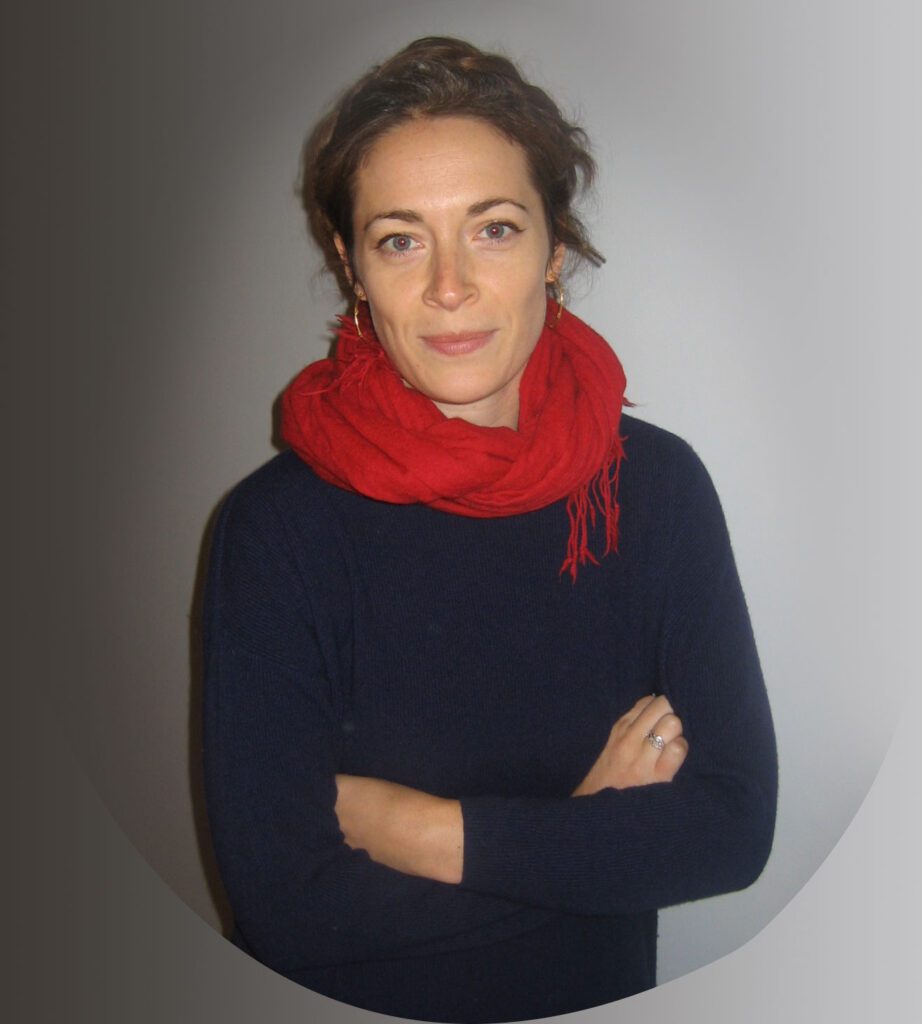
Charlotte Bevan
I am a qualified Psychotherapeutic Counsellor and registered member of the British Association for Counselling and Psychotherapy (MBACP) and the UK Council for Psychotherapy (UKCP), offering in-person therapy to adults from a private and comfortable consulting room near Archway in North London. My work is grounded in professional training and ethical practice, providing a confidential and supportive space where clients can explore emotional difficulties, life transitions, relationships, loss, identity, or a general sense that something in life is not quite right. I see therapy as a collaborative process in which you remain the expert on your own experience, while I support, guide and, when helpful, challenge you to deepen your understanding of yourself. Through this process, clients often develop greater emotional awareness, resilience and freedom to make choices about how they want to live and relate to others.

Tatiana Mountbatten
Training, qualifications & experience The Counselling and Psychotherapy Training Academy PGDip Therapeutic Counselling (Integrative) PGDip Cognitive Behavioural Therapy Certified Nutritional Health Coach from the Institute for Integrative Nutrition USA Other certified training: · Alcohol misuse · Care planning · Challenging behaviour · Mental capacity · Risk assessments · Safe administration of medicines · Safeguarding of vulnerable adults · Eating disorders · Co-dependency · Suicidality & Grief from suicide
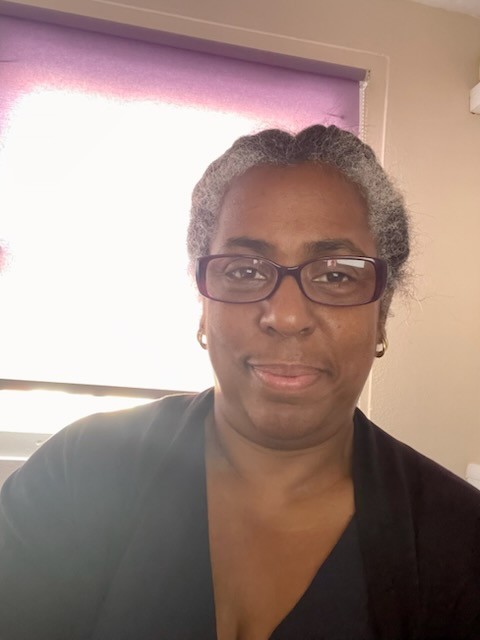
Mary Thomas
With a Humanistic Integrative approach, this counsellor places the client at the centre of the therapeutic process, adapting their work to suit each person’s needs and experiences. Their practice draws on person-centred, psychodynamic and CBT-informed approaches, allowing flexibility to explore past influences, understand present challenges and develop practical ways of managing difficult emotions. They have experience supporting clients with anxiety, depression, trauma, low self-esteem, relationship difficulties and identity questions, and have worked within NHS women’s services as well as with individuals affected by domestic violence and family difficulties. Their work is inclusive of LGBTQ+ and neurodiverse clients, and is grounded in creating a safe, respectful and non-judgemental therapeutic relationship where clients can explore their experiences and build greater self-understanding.
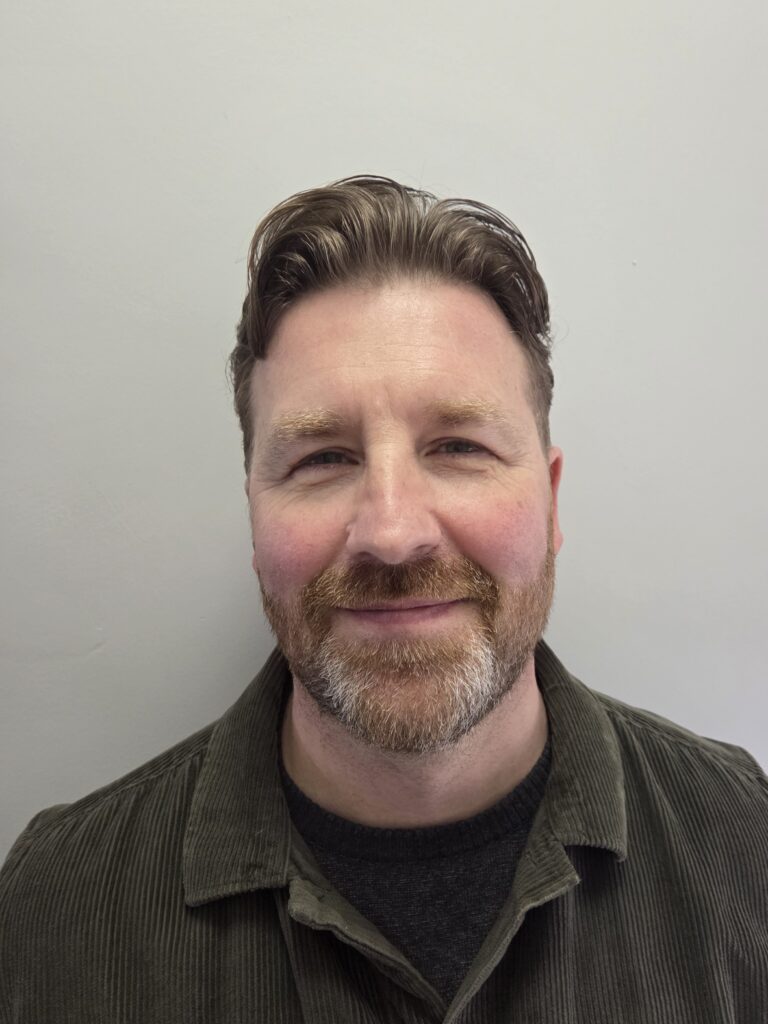
James Donaldson
James is an experienced counsellor and psychotherapist with over 23 years of clinical practice supporting people facing trauma, PTSD, depression, anxiety, bereavement, and relationship difficulties. He has worked across NHS primary care services, the armed forces community, and private practice, providing therapy both in person and online. With a Master’s degree in counselling and psychotherapy and membership of the British Association for Counselling and Psychotherapy (BACP), James works to established ethical standards while using an integrative approach informed by evidence-based methods. His additional training in mindfulness teaching, clinical hypnotherapy, NLP and performance coaching allows him to tailor therapy to each client’s needs and goals.
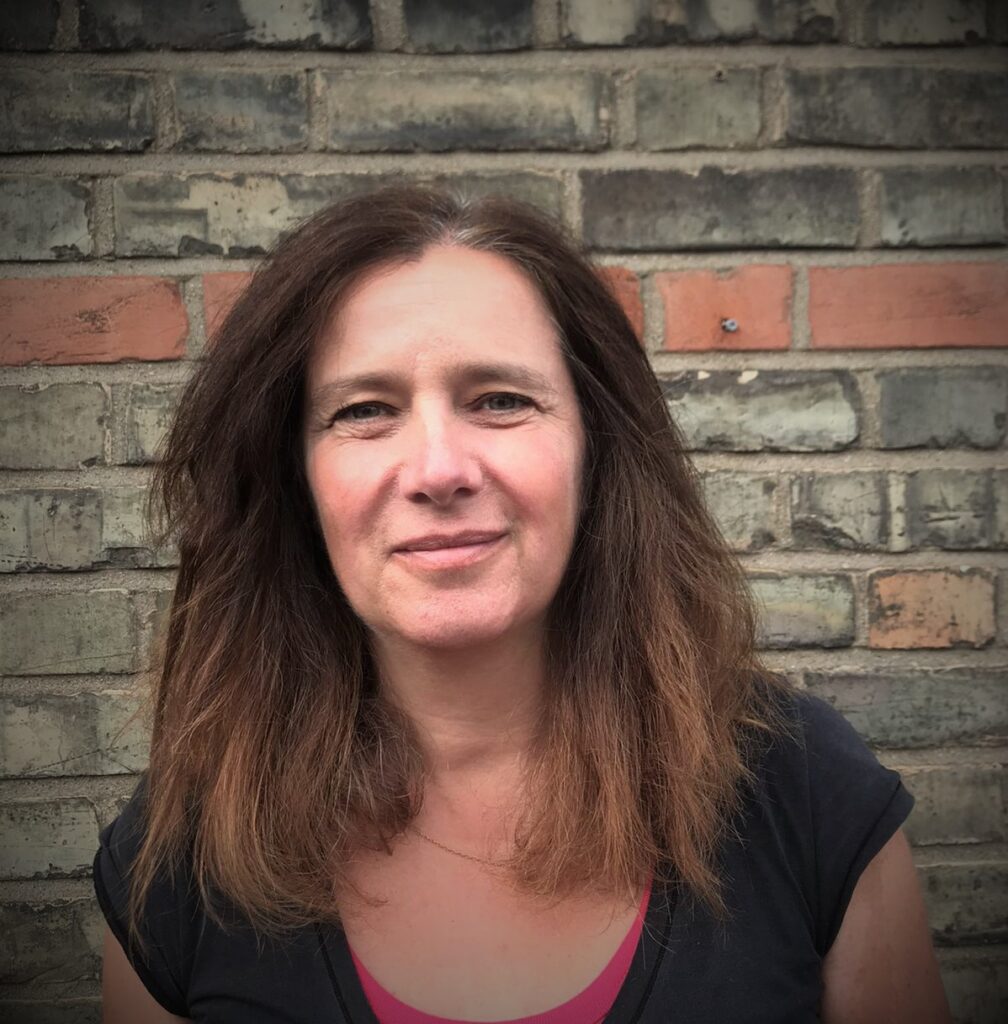
Julia Garden
Accredited by the National Counselling Society and Professional Standards Authority, I qualified as a Cognitive Behavioural Therapist (CBT) with a Distinction from the College of Behavioural Therapies. I specialise in REBT (Rational Emotive Behavioural Therapy), a form of CBT Therapy. REBT is a goal orientated model and proven to work, looking at the person as a whole and focusses on each person’s potential. REBT looks at the way we think and teaches us to be less rigid in our thoughts. I will look at what is causing you issues and teach you a model that will help you achieve a more balanced way of thinking, result in long lasting emotional and behavioural change. This effective approach combined with other CBT therapies such as Compassionate Focussed Therapy, Acceptance Commitment Therapy and Solution Focussed Therapy can help you find strategies to cope with life’s problems and help manage emotions, empowering you to become your own therapist. With a good therapeutic working relationship, I hope to find the most effective way of working with you.
Eliza Preston
I have seven years of experience as a psychotherapist, having worked in a number of NHS services in London, in a university counselling service and in private practice. In my private practice, I have supported clients with a wide range of issues and concerns, while my work in the NHS was in specialist trauma and self-harm services. – Private practice; six year’s experience working with a broad range of challenges and questions – Counsellor, Queen Mary University Advice and Counselling Service; areas of focus include anxiety, eating disorders, depression, relational difficulties, self-esteem issues, identity issues, diversity and stress. – Psychotherapist, OXLEAS NHS Foundation Trust; women’s service offering long-term psychotherapy to female adult survivors of rape, sexual abuse and violence. – Psychotherapist, SLAM NHS Trust, Maudsley Hospital Self Harm Outpatient Service; offering long-term psychotherapy for complex cases of self-harm
Claudia Varosio
I am a trained transpersonal psychotherapist grounded in Psychosynthesis, integrating somatic therapy, attachment theory and neuroscience. I work ethically and relationally with adults facing trauma, relationship difficulties and life transitions. Using embodiment practices, parts work and mindful awareness, I support clients to understand long-standing patterns, regulate the nervous system and create meaningful, lasting change.
Anastasia Moraiti
I am a qualified Dance Movement Psychotherapist and registered member of the Association for Dance Movement Psychotherapy UK, practising within professional and ethical standards. I work in a body-based, trauma-informed way, drawing on seven years’ experience across the NHS, schools and community settings with both children and adults. I support clients with trauma, anxiety, depression, attachment difficulties, autism, ADHD and burnout. My approach integrates nervous system awareness, mindfulness and integrative psychotherapy to help reduce tension and support meaningful change.
Grace-Anne Sharpe-Young
I am a fully accredited psychotherapist with a background in Social Psychology and Clinical Hypnotherapy, working online with adults across the UK. My integrative approach draws on Person‑Centred Therapy, CBT, Attachment Theory, mindfulness, deep‑mindfulness, and hypnotherapy, allowing me to tailor the work to each client’s needs rather than fitting them into a single model. I offer long‑term therapy as well as ad‑hoc and one‑off sessions for clients who need focused support around a specific issue or moment in time. I have extensive experience supporting clients with anxiety, stress, low mood, self‑esteem, relationship patterns, life transitions, and the deeper emotional themes that sit beneath recurring difficulties. My practice centres on creating a steady, grounded therapeutic space where clients feel safe enough to explore, reflect, and make meaningful change at a pace that feels right for them.
Annie Pender
Annie Pender (MA, HCPC) I am an integrative psychotherapist who is warm and relational, bringing curiosity and creativity to working with you. I facilitate clients to discover the resources inside them to move through life’s struggles. Whether you are feeling stuck, anxious or restricted in your current situation, I provide a safe space for you to reconnect to your inner capacity to live the life you chose with understanding and vitality. Integrative Psychotherapy and Counselling with Annie Pender. Difficult, painful, or confusing experiences can feel hard to make sense of alone, so having space to explore them in new ways and perspectives can help process and digest what is happening. As an integrative therapist I draw on a range of approaches to support you including Humanistic and psychodynamic theory, Gestalt therapy and creative approaches to working with mind and body – you are unique, so your sessions are unique to you. We may use talking therapy to help find out more about you, understand your story and how it is affecting you, we may also use a creative approach, working with imagery to explore and express feelings and see situations that you perhaps don’t yet have a clear picture about or words for. We can also work with your body to help process and understand your experience. Finding understanding and making meaning together, I offer a space for you to find peace and begin to move forward with a re connected sense of yourself. About me I have completed an MA in integrative arts psychotherapy, a rigorous training at the Institute of Arts In Therapy and Education in London, passing with distinction. I continue to develop my practice and research into mind and body in my work. In addition to private practice with adults, I also run regular group workshops and one to one sessions that facilitate healthy embodiment and a holistic approach to supporting our relationship to our body and mind as a resource for growth, creativity and wellbeing. I have a variety of experience working in different mental health settings, including roles working for a number of years as a therapist for the NHS, in the school system and in charitable organisations. Previous to this work I have many years working in the creative industries and continue to develop creative projects and collaborations to explore and understand the human experience.
Dr Hanne Warren
Dr Hanne Warren is a Clinical Psychologist in Chislehurst, supporting women in person and online with anxiety, trauma, low self-esteem, depression, perinatal mental health and perimenopause. She integrates Compassion-Focused Therapy, ACT and evidence-based approaches, and as founder of Thea Psychology, maintains high clinical standards and careful assessment.
Cordy Griffiths
I have more than five years experience helping a wide range of people of all ages, ethnicities and backgrounds. I have a particular focus on anxiety issues and relationship problems.
Lorraine Tindale
I am an integrative therapist trained in EMDR, cognitive and humanistic approaches, offering a warm and confidential space where you can speak openly about what is causing distress without fear of judgement. I am UKCP registered and an accredited EMDR practitioner with 16 years of experience in counselling and psychotherapy. My work is trauma informed and client led, and together we explore the roots of your difficulties, understand what maintains them, and work to reduce their impact. I believe you are the expert on your own experience, including where it hurts and what you want to change, so we move at a pace that feels right for you, using EMDR and practical therapeutic tools to ease symptoms and support meaningful, lasting change.
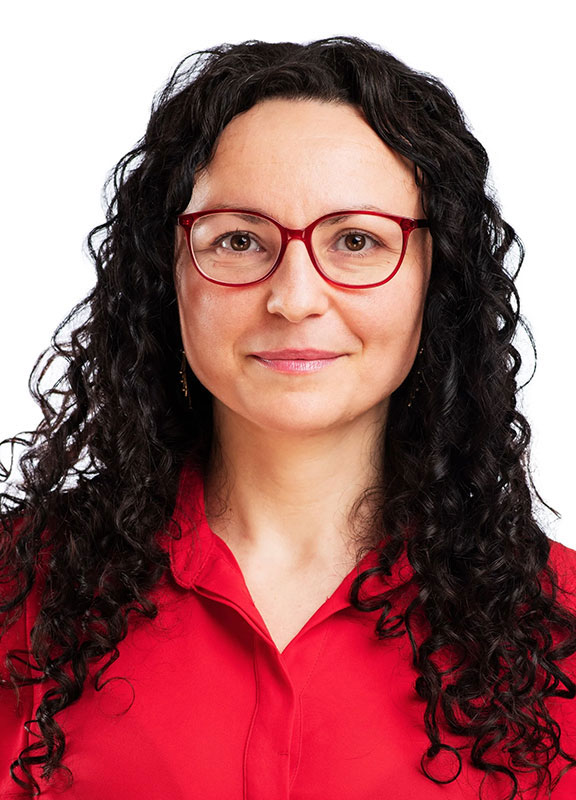
Claudia Cebuc
I am a qualified psychotherapeutic counsellor offering short and long term therapy to working professionals. I work with anxiety, stress, low self esteem, relationship difficulties, loss and feeling stuck. I provide a confidential, steady space where you can speak openly and be met with care and clarity. My approach is relational and direct, tailored to your needs. When helpful, I integrate mindfulness, breathwork or creative techniques. Therapy is collaborative, and we work at a pace that feels manageable while addressing the patterns that hold you back.
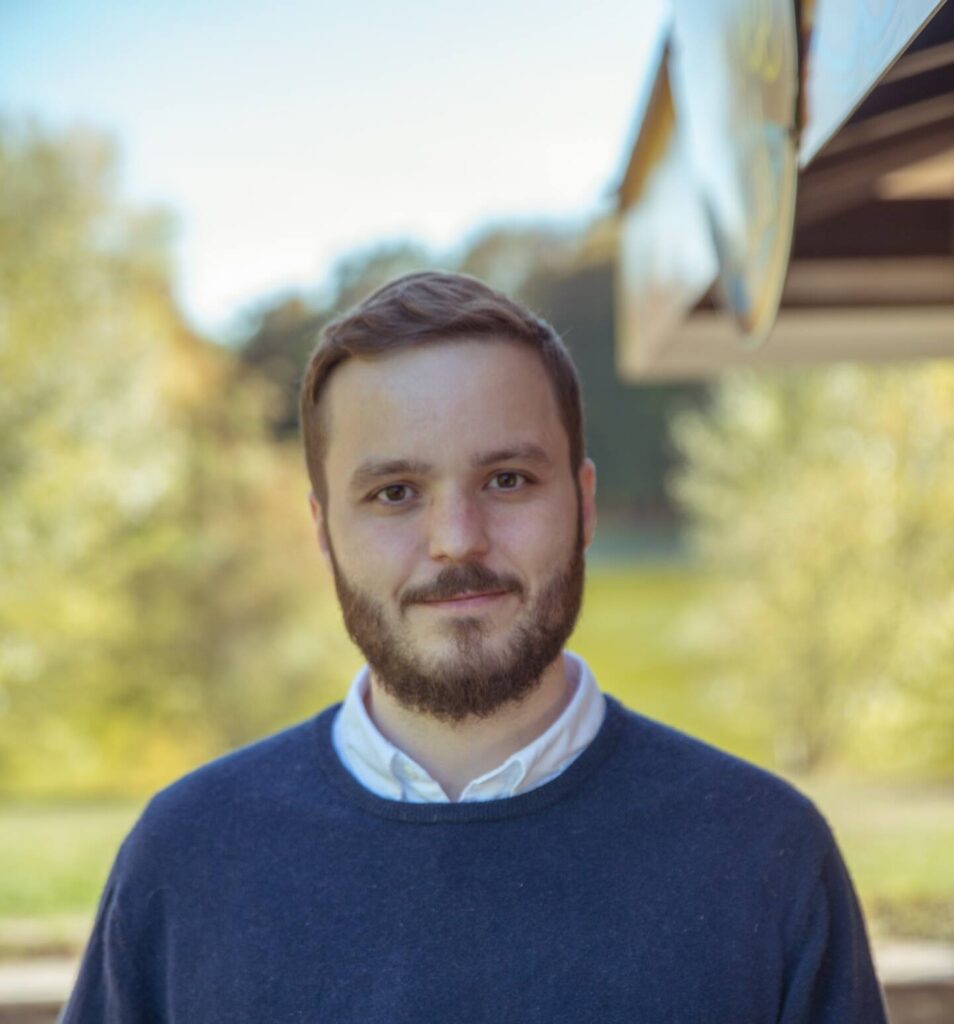
Peter Klein
Peter Klein is a fully accredited Cognitive Behavioural Psychotherapist with over 13 years of clinical experience, offering both in-person and remote therapy from Richmond, London. He specialises in evidence-based Cognitive Behavioural Therapy (CBT), using the UCL Case Formulation Model to provide tailored treatment for a wide range of difficulties including anxiety, OCD, depression, stress, low self-esteem, ADHD, phobias and perfectionism. He has trained in additional therapeutic approaches such as Schema Therapy, Acceptance and Commitment Therapy (ACT), and Compassion Focused Therapy, enhancing his ability to support diverse client needs. Klein has worked in prominent mental health settings, including running individual and group programmes at the Priory Hospital, and has contributed to mainstream media and scientific publications to promote psychological wellbeing. He works professionally in both German and English and has been practising full-time since 2012.
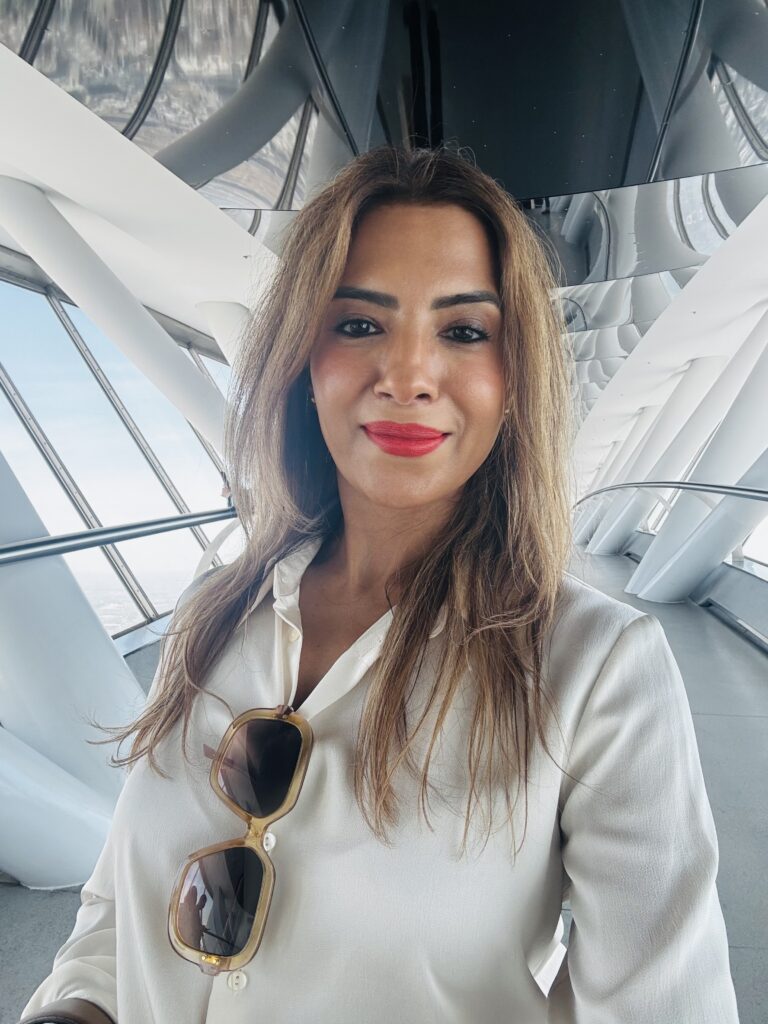
Dr Satbinder Kaur Bhogal
I am an experienced therapist working with children and adults, including those affected by complex or relational trauma, with or without self-harm or suicidal behaviour. I also support anxiety, depression and couples facing relationship strain or possible separation. My work is based on developing a clear, shared understanding of the emotional patterns driving the difficulties, rather than applying a fixed model. Early sessions focus on clarifying what is happening psychologically and agreeing a purposeful focus for therapy. I prioritise the therapeutic relationship and shared goals, as a strong alliance and clear direction are key to meaningful change.

Lisa Romanova
I utilise evidence-based strategies, including CBT, attachment theory and EFT (Emotionally Focused Therapy) principles, to guide clients toward sustainable, profound relational transformation. My approach is not about quick fixes; it’s about building a secure, resilient emotional foundation. I empower you to understand your relational patterns, restore trust, and cultivate a deeper emotional connection. If you are ready to stop navigating the complexity of your relationship alone and start building a loving, supportive partnership, let’s connect.
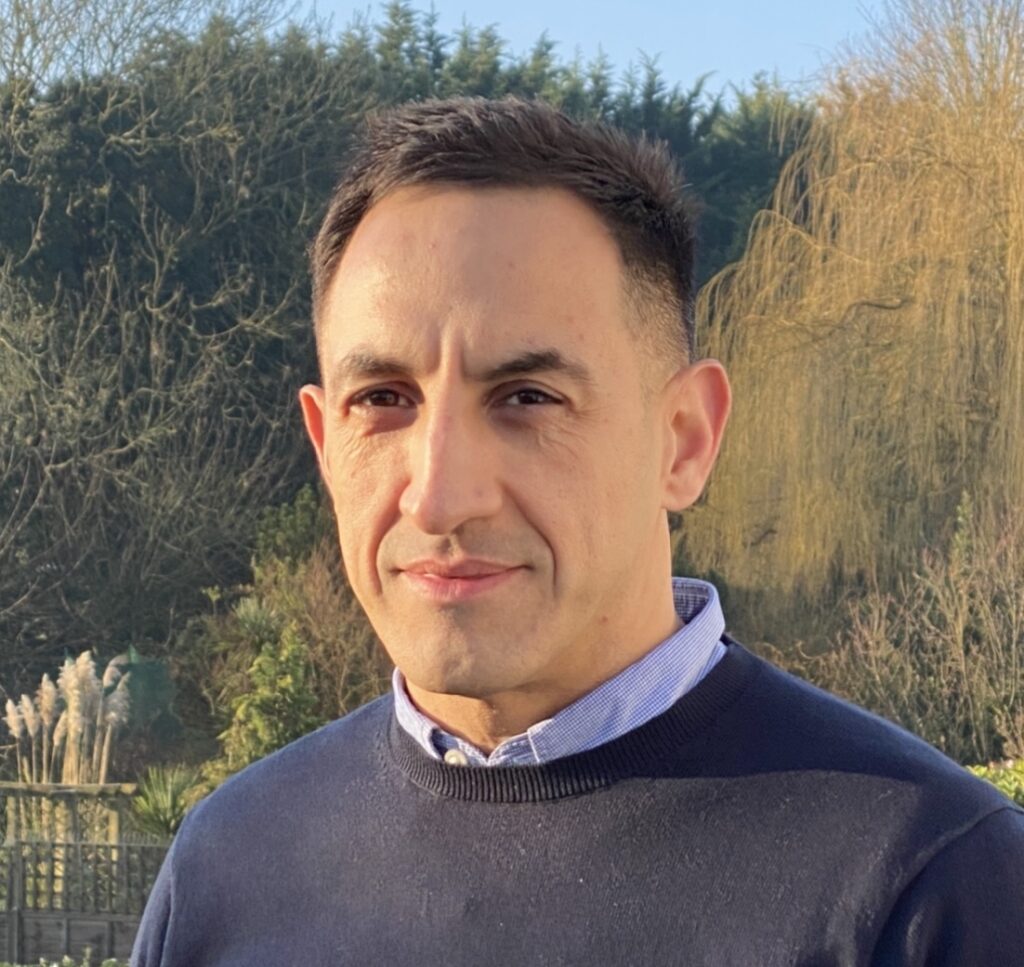
Thomas Brosnan
For over 20 years now, I have supported individuals, couples, groups and families of all ages across a range of clinical, residential and community settings such as the NHS, The Priory, Mind, in schools and within the corporate sector too. I hold a Master’s in Addiction Psychology & Counselling alongside Postgraduate Diplomas in Relationship Therapy, Trauma and Child & Adolescent Psychotherapy. My work integrates evidence based approaches alongside more alternative methods to support people to be at their best. Whatever the weather.
Geraldine Wachholz
am an experienced counsellor working with adults and young people across a range of emotional and relationship difficulties. Alongside my professional training and continued development, I bring personal experience of cancer and other health conditions, which informs my understanding of illness, uncertainty and loss. I offer a calm, confidential and non-judgmental space where you can speak openly about anxiety, depression, trauma, bereavement, relationship issues, low self-worth, boundaries, burnout and the impact of abuse. Our work moves at your pace, with a focus on careful listening and meaningful change.
Tania Danielle Thacker
I am a licensed Psychotherapeutic Counsellor in the UK, working with adults experiencing stress, anxiety, addictions, PTSD and disordered eating, including binge eating. I take an integrative approach, drawing on psychodynamic therapy, CBT and person-centred therapy, so the work is shaped around the individual rather than one fixed model. I also use trauma-informed and somatic methods, including the Flash Technique, to support those affected by trauma. I have strong experience in trauma, addiction and disordered eating, and bring both professional training and lived experience to this work. My practice offers a confidential, non-judgemental space, supported by ongoing professional development and supervision.
Maya Anderson
I am a qualified psychodynamic psychotherapist based in London, offering weekly therapy to individuals and couples both in person and online. My work focuses on how early experiences and relationships shape current patterns, anxiety, low mood and difficulties in connection. I practise within ethical guidelines, undertake regular supervision and ongoing training, and have supported many clients to make lasting changes in how they relate to themselves and others.
Kerrith Bell
I have extensive experience working with a wide range of clients facing anxiety, depression, relationship difficulties and complex family dynamics. My practice is grounded in ongoing professional development, and I regularly update my training to ensure my work reflects current therapeutic thinking and ethical standards. I adapt my approach to each individual, offering thoughtful, client-centred therapy informed by experience, continued learning and a commitment to safe, professional practice.
Patricia Almohalla Alvarez
I am a registered Counselling Psychologist and an EMDR Europe Accredited Practitioner, with a mainly humanistic approach informed by Gestalt therapy, CBT, ACT, CFT, and mindfulness. I have several years’ experience working with trauma, including PTSD and complex trauma, and offer sessions in both English and Spanish, online and face to face. My work is warm, compassionate, and tailored to each client’s needs.
Matt Beale-Collins
I am a registered member of the BACP and work in line with its Ethical Framework. I have experience mentoring young adults excluded from mainstream education and currently volunteer as a grief counsellor attached to a hospice. I work with adults and young adults, offering a safe, non-judgemental space to explore difficult experiences, relationships, grief, and emotional struggles, both in person and online.
Sally Fricker
As a psychodynamic therapist. I use a relational process where significant personal change can emerge from feeling seen, heard and accepted. Perhaps you are facing anxiety, depression, loss, self-esteem or relationship problems, self-sabotage, or you feel stuck? I offer an emotionally supportive space where we can unearth, at your own pace, underlying patterns, and explore these challenges even when they feel difficult, confusing, or hard to articulate. I am LGBTQ+ sympathetic, and work with adults of all ages, across diverse cultures and societies. We will work to identify patterns of thinking and emotionality, and their young origins. I don’t give advice, but help empower you to make decisions aligned with an authentic self we’ll discover through creative collaboration. By understanding the influences shaping your life, we can work toward meaningful change and a more fulfilling, often simpler, life. I address a wide range of client issues in my psychodynamic practice. Specialisms: I support women with maternal/ perinatal mental health issues, and those in controlling /coercive relationships. I’m experienced counselling neurodiverse individuals, (autism spectrum/ADHD) and aso provide therapeutic support to families raising ND children and young people
Anna Legge
I help clients who struggle with relationships and connections. This might show up as losing yourself in closeness, or feeling anxious when alone; feeling responsible for others’ emotions, or people-pleasing. You might be noticing over-adapting to others’ needs and moods, feeling as if you’re too much or not enough for your partner, feeling overwhelmed once relationships become real or deep. You could be experiencing difficulties trusting others and fear rejection, or staying in relationships that don’t feel right. My work is focused on Relational Parts Work, an approach that helps make sense of the different parts of you that learned how to connect, adapt, protect you, or withdraw in relationships. These parts are shaped early in life and are closely linked to how your nervous system learned to respond to closeness, separation, and emotional safety. Working with these parts brings clarity to patterns that can otherwise feel automatic and confusing. I will help you with: Separation/divorce/transition; enmeshment/codependency; fear of intimacy; affair/betrayal; confusion between closeness vs separation; anxious/avoidant attachment patterns; Inability to build or sustain relationships; Lack of boundaries; finding identity through relationships; Difficulty regulating emotions. Through this work, you’ll begin to understand your relational patterns and the role each part has played in keeping you safe. Your responses and reactions will start making sense to you. I’ll help you clarify your own needs and boundaries, restoring a sense of self beyond relationship roles, and cultivate a good balance between depending on others and standing firmly in your own sense of self.
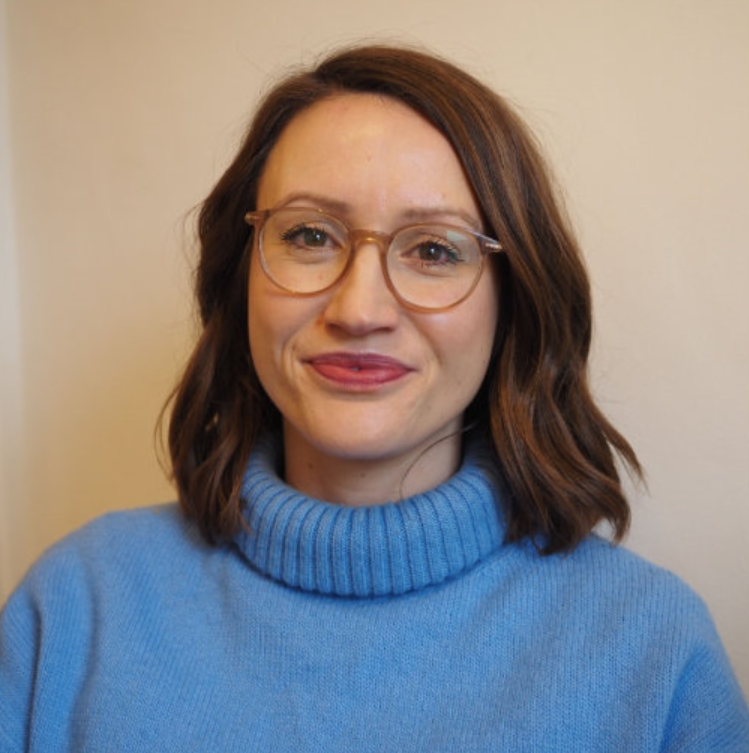
Katie Fowler
I have worked as a CBT Therapist in the NHS for over 10 years. I previously held a Senior CBT Therapist role in an NHS service in West London, which I left in 2024. I now work part-time privately and part-time supervising new CBT Therapists in training at the Royal Holloway University London.
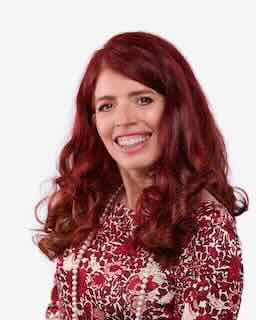
Cate Mackenzie
Do you feel you would benefit from having someone to talk to confidentially about your life or relationship? Would you like to build your confidence, open new possibilities, and feel supported as you take your next steps? I am a warm and approachable Psychosexual Therapist and Couples Counsellor. I specialise in helping people develop a healthier relationship with themselves and with others, whether that means opening up to the possibility of a partner or helping couples reconnect and deepen their bond. I offer a supportive, confidential, client centred and non judgemental space where safety and trust are built first. From there, I guide you through a step by step process towards the changes you want in your life. I am LGBTQIA+ friendly and work with people from many different backgrounds. I am also trained in Internal Family Systems (IFS) and Deep Brain Reorienting. Issues I can support with: Learning how to build a relationship with yourself and others Developing communication skills Exploring and developing your sexuality Becoming more authentic Creating a purposeful life Sexual dysfunction Porn addiction Communication difficulties Anorgasmia Dyspareunia Vaginismus Rapid ejaculation Sexual shame Low or lack of sexual desire I have worked with groups since 1993, individuals since 2005, and couples since 2012. At the heart of the work is the relationship we build together in the room. As confidence and understanding grow, this naturally deepens your connections outside of therapy. We explore negative belief patterns and emotional blocks that may be holding you back, working with the mind, body, emotions and brain to create meaningful and lasting change. Couple Work I am trained in a couples counselling method called Bridging, developed by Hedy Schleiffer from the work of Harville Hendrix. This approach helps couples clear unresolved issues from the past and create a more intimate way of connecting that improves communication, sensuality and sexual connection. I also integrate IFIO (Internal Family Systems for Intimate Relationships), which helps couples understand the different parts that show up in conflict cycles. I use Relational Life Therapy from Terry Real to identify imbalances and recurring patterns, and Emotionally Focused Therapy to support healing around attachment and emotional connection. I also draw from the work of The Couples Institute to help partners feel heard, understood and clear in their communication. Together, the focus is on building deeper connection, understanding and lasting change in your relationship with yourself and/or others.
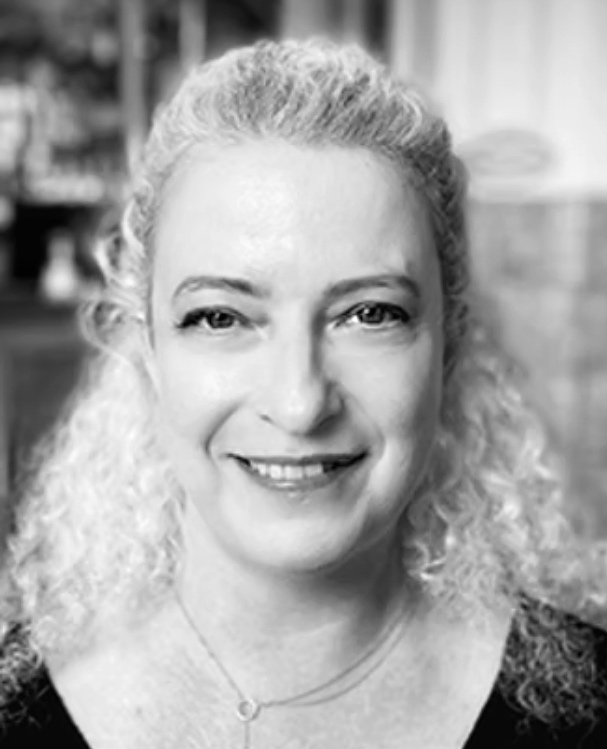
Limor Tevet
I have experience working with a range of difficulties, from depression and low mood, anxiety and stress, to anger issues, trauma and abuse, bereavement, bullying (at work or at school), low self esteem, work related problems, family and relationship issues (including couple counselling) and more.
Emma Quinn
I am a person-centred counsellor offering support with common life stresses, as well as specialist bereavement support. I have been volunteering with Cruse Bereavement Support since 2021 and have experience working with grief, loss and the emotional impact of major life changes. My approach focuses on creating a warm, non-judgemental space where you can speak openly and reconnect with what feels true and meaningful to you. I work in a collaborative, relationship-focused way, helping you identify the blocks that may be leaving you feeling stuck or disconnected, and supporting you to move towards a more authentic sense of self.
Joe Day
I am a BACP-registered integrative counsellor, trained in humanistic and psychodynamic approaches. I offer a calm, confidential space where we can make sense of your experiences and how they continue to shape your feelings, behaviour and relationships. I work at your pace, helping you notice patterns and blind spots, and gently challenging you when it feels useful.
Paola Filotico
I offer short, medium, and long-term online therapy for adults and couples, in English and Italian. My specialties include anxiety disorders, self-esteem issues, grief and bereavement, and life transitions. With experience in both public and private sectors, I use tools from various therapeutic schools, tailoring interventions creatively to each person’s unique context.
Jonathan Oppong-Wlafe
I have worked for five years in a leading residential clinic working with clients who struggle with dependencies to substances or behaviours, as well as clients struggling with suicidality, depression, anxiety, and eating disorders. I now work in private practice in Kensal Rise.
Dominique Frater
I am an integrative counsellor and a member of the BACP, with a Diploma in Therapeutic Counselling and experience working within the NHS offering solution-focused therapy. My approach is shaped by both professional training and personal experience, and is based on the belief that people can reach a greater sense of peace and fulfilment through deeper self-understanding. I offer a supportive, reflective space where clients can explore themselves honestly, even when the process feels uncomfortable, and begin to make changes that feel more in line with the life they want to live.
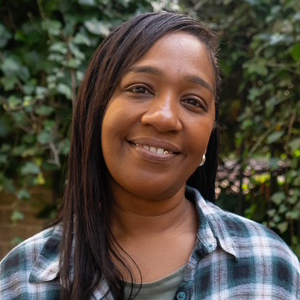
Laveen Smith
I am a qualified integrative therapist and registered MBACP, working from a person-centred foundation and tailoring therapy to your individual needs and experiences. With over 15 years’ experience supporting young people and adults, including those affected by violence, the criminal justice system, and complex mental health challenges, I bring a calm, supportive, and non-judgemental approach to the work.
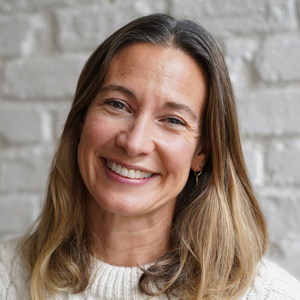
Helen Osgerby
I am a fully qualified integrative counsellor and a registered member of the BACP, working within its ethical framework. I offer a safe, confidential, and non-judgemental space where we can build a trusting relationship and explore whatever is troubling you. My work is based on the belief that change is possible, and I aim to help you understand the difficulties you are facing and find a way through them. I draw on a range of approaches, including psychodynamic theory, person-centred therapy, and CBT, and adapt the work to suit your needs.
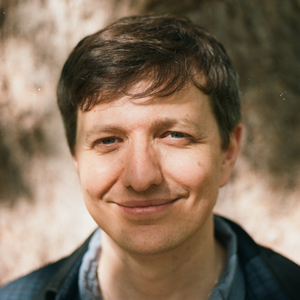
James Andrewes
I am an HCPC-registered counselling psychologist with ten years’ experience across a range of NHS mental health settings. My work is grounded in research evidence and a strong focus on the therapeutic relationship, and I bring warmth, honesty, and appropriate challenge to the process. I use a pluralistic approach, drawing from person-centred, psychodynamic, CBT, and systemic therapies, and tailor the work to each person or couple’s needs.
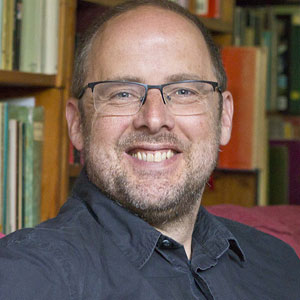
Richard Bennett
I am a qualified integrative therapist offering a warm, non-judgemental space where you can explore whatever brings you to therapy and move towards greater clarity, confidence, and vitality. I work with a range of issues including anxiety, depression, addictions, relationship and intimacy difficulties, childhood trauma, low self-esteem, and codependency.
Daniel Armitage
Qualified Integrative Counsellor and Psychotherapist offering individual therapy for adults online and in person in Peckham. Works from a person-centred foundation, placing the therapeutic relationship at the core of the work, and draws on approaches including Compassion Focused Therapy, CBT, and mindfulness to adapt to each client’s needs. Previously worked in frontline safeguarding roles, including several years supporting people experiencing homelessness, which informs a practical, compassionate understanding of resilience and adversity.
Sheri Ayinla
I offer person-centred counselling for people experiencing low self-esteem, relationship or family difficulties, or a general sense of being overwhelmed. I work both short and long term, in person and online, depending on what suits you. My approach is warm, steady, and non-judgemental, giving you space to explore whatever is going on at your own pace. The focus of the work is to help you gain clarity, insight, and a deeper understanding of yourself through a supportive therapeutic relationship. I aim to provide a safe and compassionate environment where you can feel seen, heard, and understood, and I offer an initial consultation so we can see if we are a good fit.
Mike Green
I’ve been counselling individuals and couples, from 18 to 88, with a diverse range of backgrounds, challenges and needs. I served my initial client hours working for Mind UK whilst training to become a qualified counsellor, and on completion of training I set up my own private practice, which I have been running now for over 8 years. I like to work with a range of issues from Anxiety, Depression, Bereavement, Stress, Self-Esteem, Trauma, this keeps the work interesting, challenging and keeps me on my toes. I continue to enjoy learning about human psychology, behaviour and mental health, which I find both intriguing and helpful in my work.
Oliver Fallon
I offer specialist therapy for eating disorders and OCD, on Zoom or face-to-face. I have extensive experience working in these areas in the NHS at South West London and St Georges NHS Mental Health Trust. For OCD I use CBT with ERP designed collaboratively with you to tackle your particular themes. For eating disorders we focus on stability using a meal plan and decoupling body image from food.
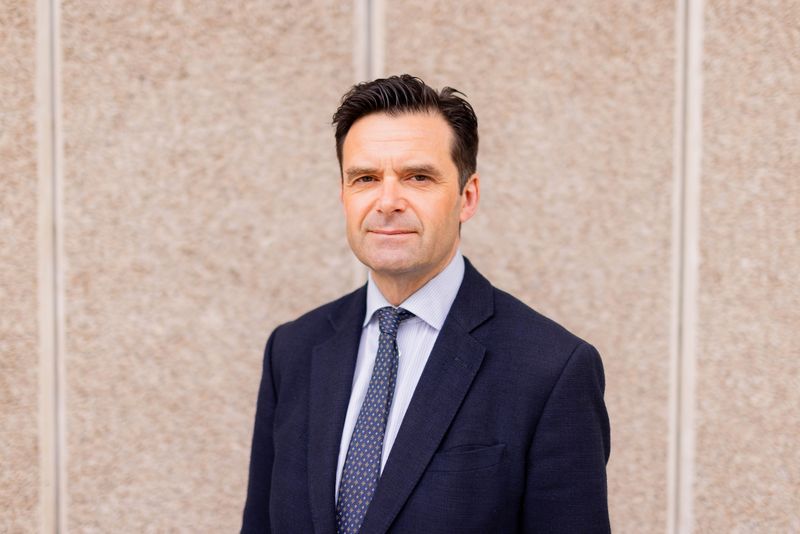
Eoghan Naughton
I am a BPS chartered counselling psychologist with extensive experience and skills in working with psychological and emotional problems in the NHS and other settings. I offer short-term, long-term and open-ended therapy at my office in Fitzrovia. I offer a safe and confidential treatment setting and seek to facilitate therapeutic progress towards healing and living a more fulfilling life. I am accredited with the BPC (British Psychoanalytic Council) as a dynamic interpersonal therapist and supervisor. Areas of Specialism Extensive experience in workng with trauma, depression, anxiety, high stress work related issues, relatiional difficulties and many other varied presentations. Personal Approach Person centred approach focusing on understanding the conscious and unconscious aspects of a person’s psychology in order to help with mental pain.
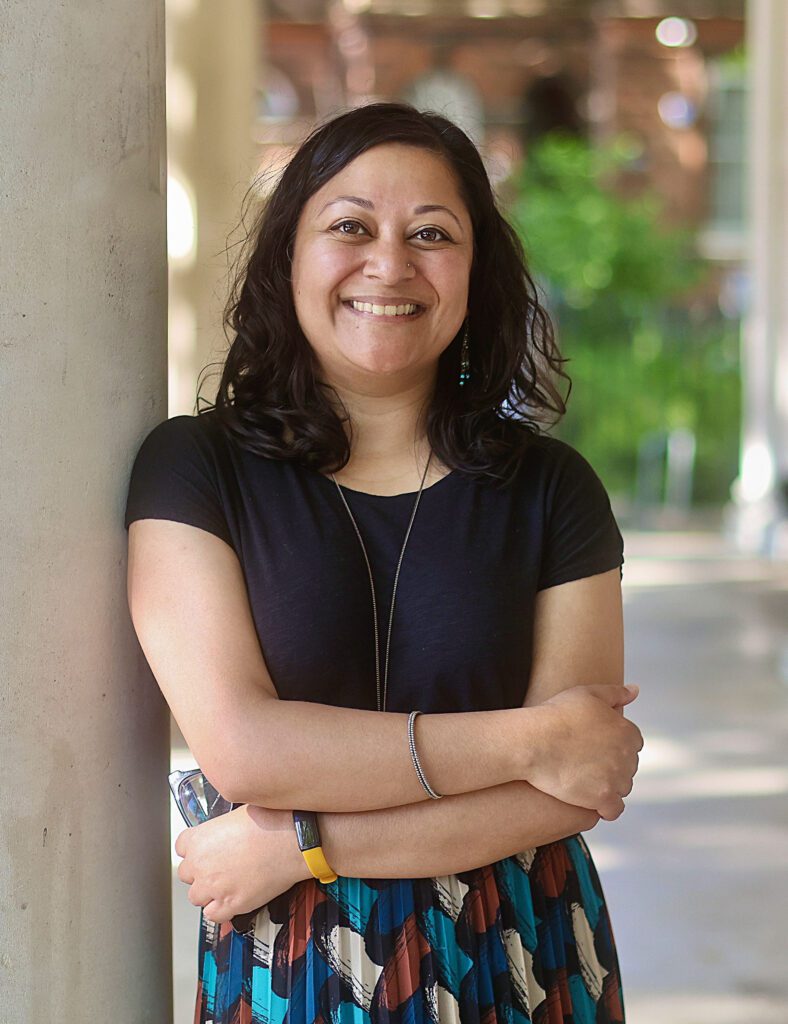
Nilima Choudhury
I’m a UKCP-registered Person-Centred Psychotherapist with experience across psychiatric half-way houses, NHS services, low-cost counselling centres and private practice. Alongside individual therapy, I work with people in relationship psychotherapy, supporting couples and relational pairings who want to understand patterns, improve communication, or navigate change together. This includes romantic partners, friends, family members, and other meaningful relationships — not just traditional couples. My work focuses on the therapeutic relationship as the primary agent of change, creating a space where each person feels heard, respected, and able to speak honestly. I hold complexity, difference and conflict with care, helping clients explore how they relate to themselves and to others, and what they want their relationships to become.
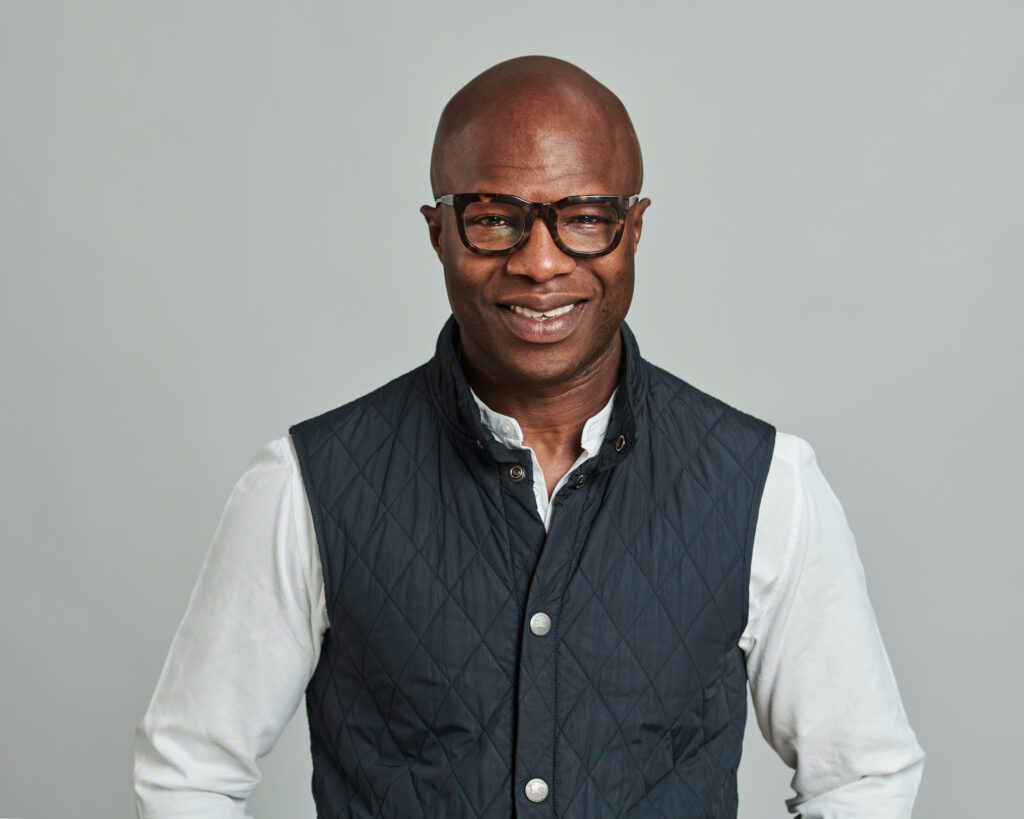
Luq Adejumo
I have Master’s degree (MSc) in Person-centred psychotherapy and a Diploma in Contemporary Person-centred psychotherapy from The Metanoia Institute
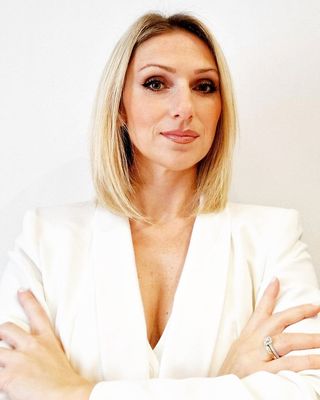
Olga Konstantinidou
I am a multilingual Consultant Clinical Psychologist (English and Greek), recognised by the BPS and HCPC, offering online therapy. I work integratively, drawing on approaches such as CBT, Schema Therapy, DBT, Mindfulness, CFT, CAT and systemic therapy. My approach is collaborative and tailored to each person, combining reflection and practical strategies to support meaningful change.
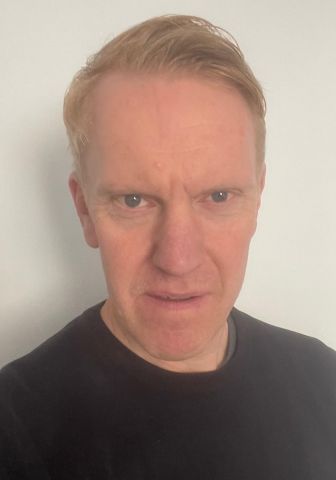
Joggs Camfield
Every person is unique, experiencing an individual journey that sometimes can become difficult to navigate. We can lose our way and the challenges and obstacles we face are hard to negotiate alone.
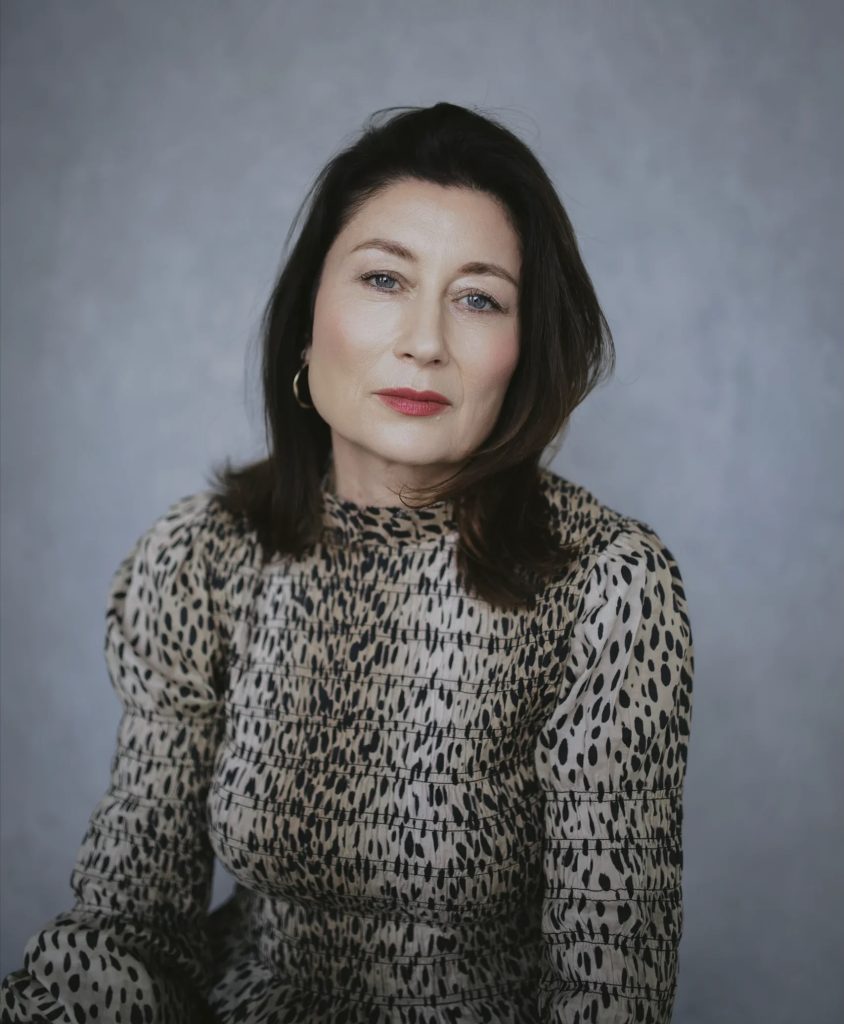
Catherine Vij
I specialise in women’s mental health, perinatal mood, anxiety, grief and loss. I bring compassion and understanding to the therapy sessions and draw from my training as a counsellor as well as my experiences working in the NHS and the charitable sector
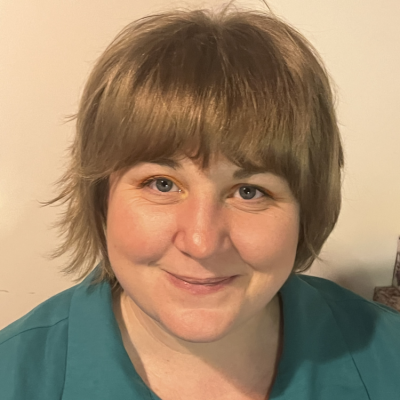
Alena Todorov
I am a UKCP registered Psychotherapist and Certified Transactional Analyst with over eight years of clinical experience and a background in organisational psychology. I work relationally using a Transactional Analysis framework, informed by trauma aware, attachment based, somatic, and CBT influenced approaches. My work focuses on patterns, emotional regulation, identity, and relationship difficulties, including anxiety, low mood, neurodivergence, and complex trauma. I offer an LGBTQ+ affirmative, culturally responsive space and work at a pace that respects the nervous system.
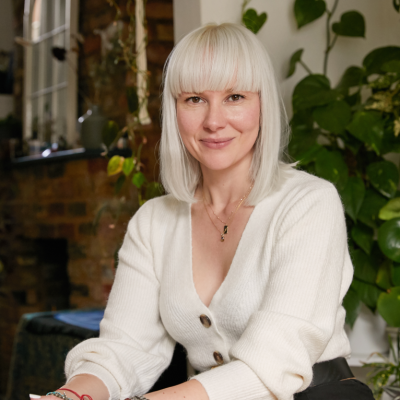
Claudia Behnke
I am a qualified couples counsellor and psychotherapist based in Westcliff-on-Sea (near Chalkwell Park), offering therapy in person and online via Zoom. I specialise in relationship counselling, attachment-based work, and relational patterns, helping couples and individuals improve communication, strengthen emotional connection, and navigate relationship challenges. My primary couples modality is Terry Real’s Relational Life Therapy (RLT), an evidence-based approach focused on accountability, emotional honesty, and building secure, respectful partnerships. I also have specialist experience working with codependency and love addiction, supporting clients to move out of unhealthy relational dynamics and develop healthier boundaries and self-worth. I work with a wide range of issues including relationship conflict, emotional disconnection, infidelity, trust issues, intimacy concerns, anxiety, self-esteem, identity transitions, and life stress. My practice is inclusive and affirming, welcoming clients of all genders, sexual orientations, relationship structures, and cultural backgrounds. My integrative approach draws on Relational Life Therapy (RLT), trauma-informed therapy (Janina Fisher), Psychodynamic therapy, Imago relationship therapy, and Transpersonal psychology, allowing sessions to be tailored to each client’s unique needs and goals.
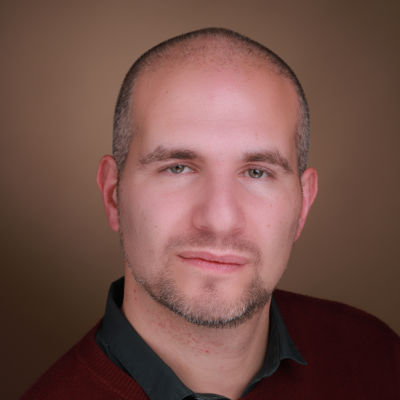
Steve Altman
I am a UKCP-accredited psychotherapist with a background in frontline mental health support, including work as a Samaritan, peer support worker, and co-ordinator of a suicide-prevention respite sanctuary. I have extensive experience supporting people with trauma, emotional distress, and suicidal thoughts. This work has shaped a calm, compassionate way of working that helps people reconnect with meaning, creativity, and their capacity for life.
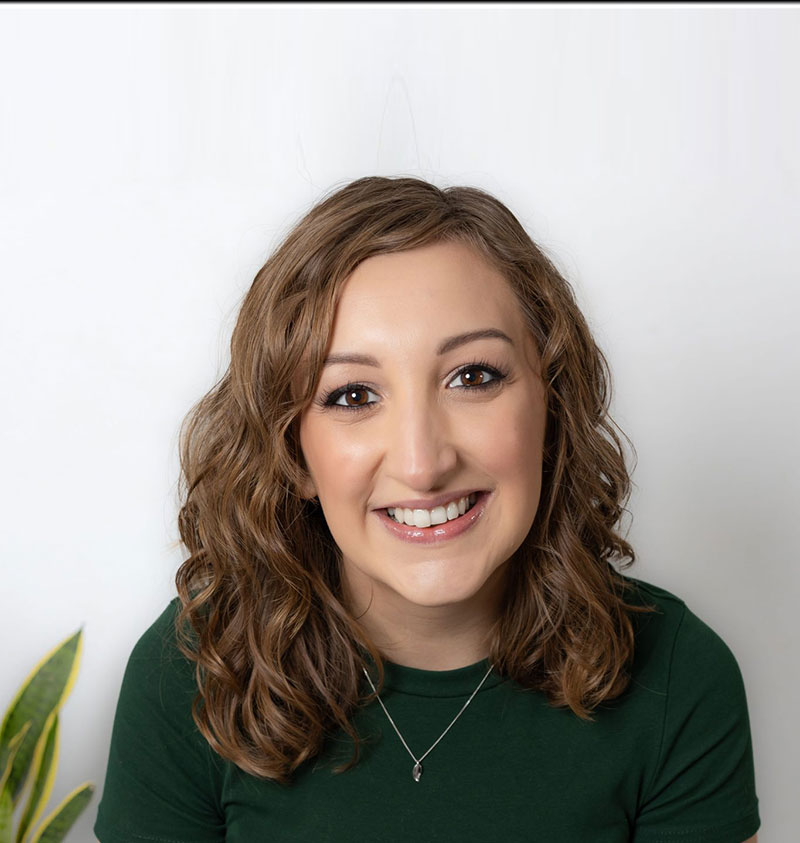
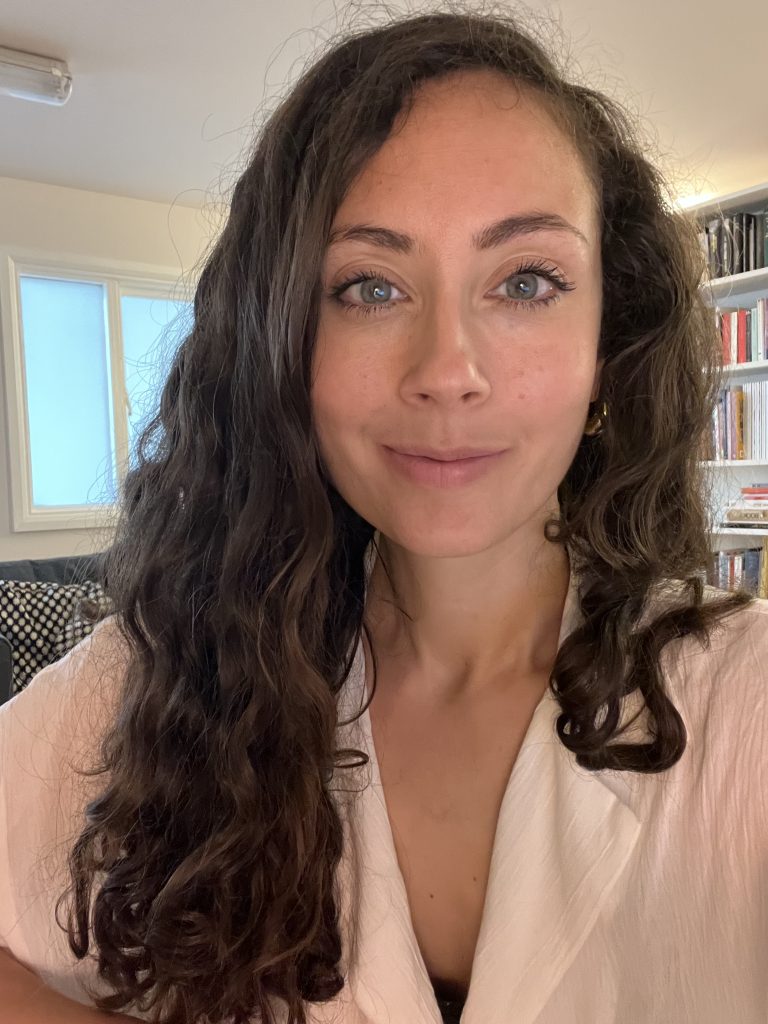
Lucie Nalletamby
I am a Clinical Psychologist with over a decade of experience working in the NHS and private practice. I have worked in the NHS since 2011, providing assessment and treatment for adults, young people and families experiencing a wide range of mental health difficulties as a result of experiences of trauma. Alongside working in the NHS, I have been in private practice since 2017, where I specialise in trauma-focused therapy. Since qualifying, I have completed a number of specialist trainings including EMDR, CBT, NET and Schema-focussed Therapy. I draw on these to provide tailored and individual therapy. I work with individuals who have experienced single-incident trauma, such as accidents and assaults, as well as complex trauma, including childhood abuse, neglect, domestic violence, discrimination and other experiences that can lead to complex PTSD.
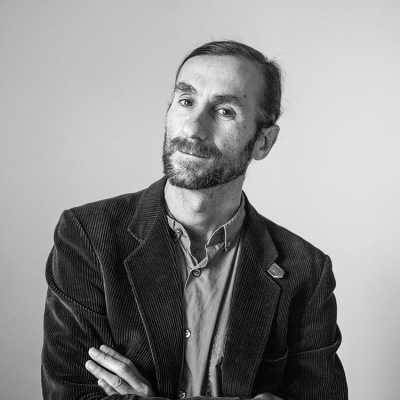
Javier Calatrava
Transpersonal Integrative Psychotherapist
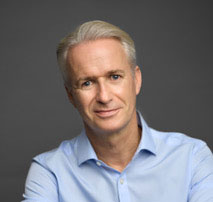
Paul De Bruin
In addition to my private practice, I’ve worked in various settings, including the NHS Mental Health Service, Maytree Suicide Respite Centre, and several other charitable organisations. My training was at the Centre for Counselling and Psychotherapy Education (CCPE). I’m a registered member of the United Kingdom Council for Psychotherapy (UKCP), an accredited member of The National Counselling & Psychotherapy Society (NCPS), and a Registered Member of the BACP. I adhere to their code of ethics. I’m committed to complete confidentiality, ethical practice and utmost discretion.
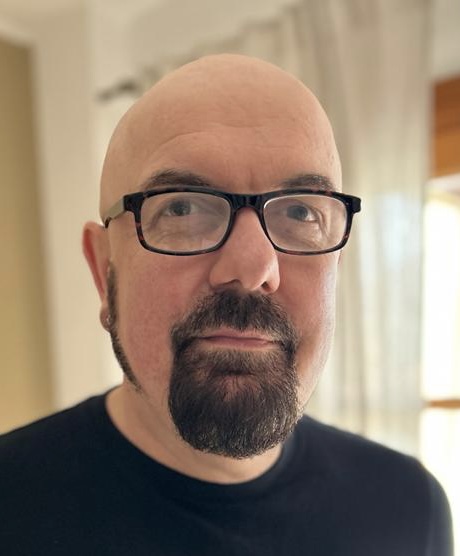
James Crossland
I am an integrative counsellor with experience working with individuals and couples, specialising in relationship and attachment issues, childhood trauma, and patterns rooted in early relational experiences. My work includes supporting clients with anxiety, depression, low self-esteem, addiction and problematic behaviours, burnout, and major life transitions. Prior to qualifying as a counsellor, I worked for many years in the creative industries as an international music producer, which gives me a strong understanding of high-pressure, performance-driven environments and informs my work with creatives and professionals.
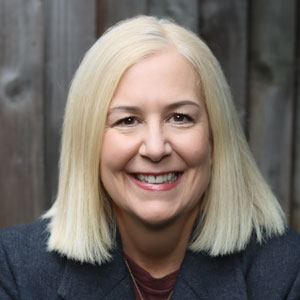
Vicki Power
Vicki is an integrative therapist working with individuals and couples
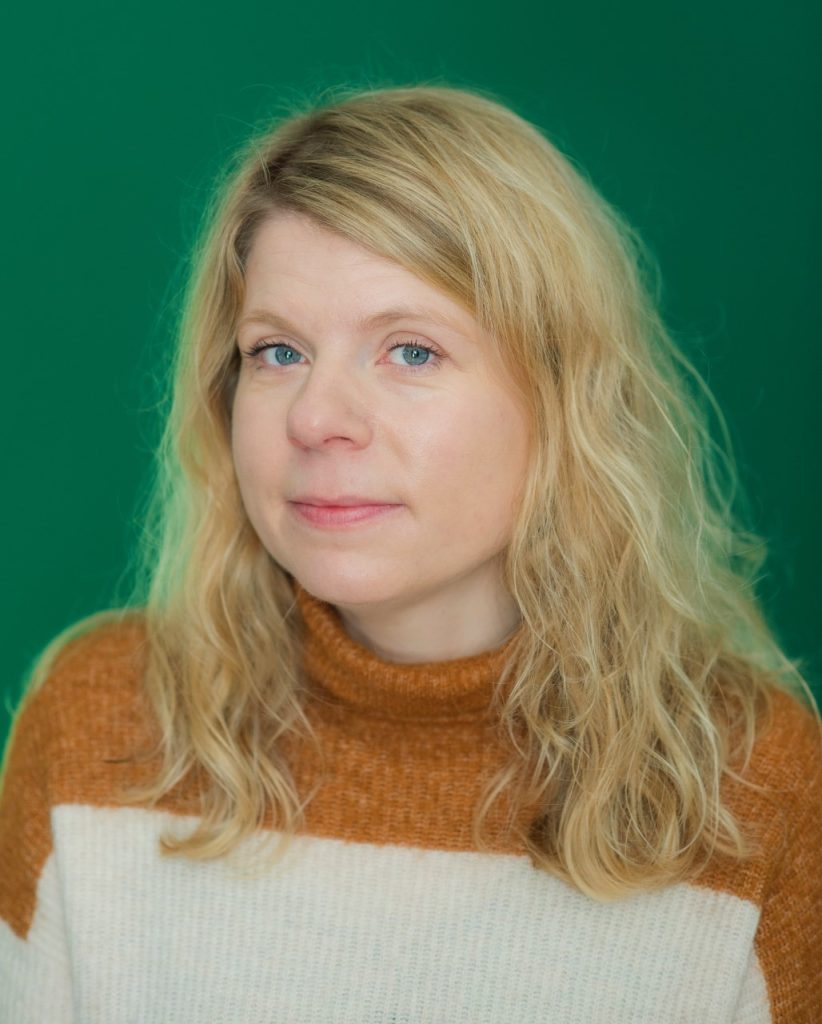
Millie Gentle
I’ve worked as a counsellor for over 10 years, working in private practice, for charities and EAPs. I’ve been in private practice since 2019, working with clients facing a number of different issues. My main areas of expertise are; – Bereavement and loss – New parenthood/pregnancy and post-natal anxiety and depression – Sexual trauma – Anxiety / self-confidence and self-esteem issues – Relationship and family issues Prior to being a therapist, my career was in film and theatre. I work with a lot with people in these industries and I also work for an Arts organisation that connects those who work in the Arts with therapy.
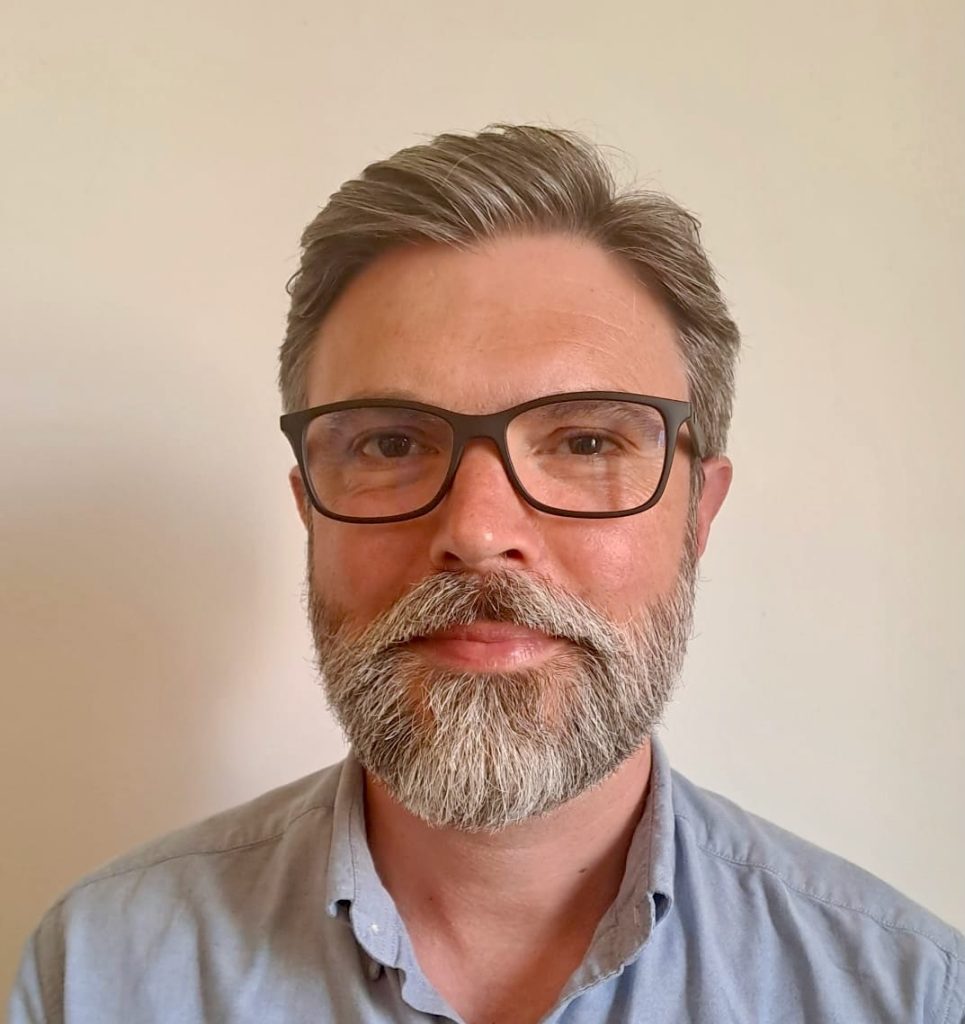
Samuel Smith
I am a Registered Member of the British Association for Counselling and Psychotherapy (BACP) and practise in accordance with their Ethical Framework. I hold a Postgraduate Diploma in Existential Psychotherapy and Counselling from the New School of Psychotherapy and Counselling, London. Alongside my clinical practice, I am engaged in doctoral research jointly with the New School and Middlesex University, exploring how gender shapes therapeutic relationships, particularly in the context of working with women who have experienced trauma. This ongoing work continues to deepen my commitment to a therapeutic practice that is inclusive, reflective and sensitive to the dynamics of power, identity and social context.
Adijat Eniola Fetuga
My approach to therapy is collaborative, direct, and goal-oriented. I believe in empowering clients to take an active role in their treatment, working together to identify the most effective strategies for their unique needs. Additionally, with an MA in Psychological and Psychiatric Anthropology, I approach my practice with a global perspective, incorporating diverse cultural and social contexts into our work. I strive to create a safe and supportive environment for all my clients, regardless of their background or experiences. If you’re looking for a therapist who can help you navigate life’s challenges and support you in achieving your goals, I’m here to help.
Arran Thomas
I find seeking therapy usually starts with seeds of hope. Hope for things to change, to become ‘unstuck’, to have understanding, to find peace. As a qualified counsellor I offer a compassionate, supportive space to cultivate these seeds of hope so that you can grow to overcome the issues you face and move forward to a more positive place. – My Approach – Everyone has an inherent wisdom within themselves towards healing and transformation through the struggles or difficulties of life. My role is to facilitate this journey, give it a nudge in the right direction. When we initially meet, I will apply gentle curiosity to explore what brings you to therapy and together we can have a look at what you might want to gain from the process. My aim is for you to feel seen, heard and warmly accepted. I value the 3 A’s as a rough guide for what can emerge from the issues you choose to bring: – Awareness through exploring thoughts, feelings, behaviours, patterns and responses to stress. You will come to recognise how these have been shaped by life experiences. – Acceptance expands from awareness, of different parts of yourself, your story, your identity, your past, the present, the other people in your life. – Accountability strengthens with acceptance and awareness, an increasing sense of empowerment, choice and freedom in how you want to move forward and live your life with resilience. Whether it is anxiety, relationship difficulties, depression, low self-esteem, grief, trauma, abuse, addiction or feelings of shame, anger, overwhelm, confusion and loneliness, you don’t have to struggle alone with these issues.
Manuel Navarro
I am a systemic and family psychotherapist with 20 years of experience working in mental health services in the NHS. I have worked with adolescents and adults who suffer from mental health or emotional difficulties such as depression, anxiety and panic, and eating disorders. I also work with couples who are looking to improve their relationship, and I am registered with the Emotionally Focused Therapy Institute (ICEEFT). My approach to therapy recognises that the individual, as well as their family members all have strengths and strategies which can be used to overcome symptoms and difficulties. I am committed to empirical methods of therapy, and I offer systemic therapy including attachment, interpersonal neurobiology, NVR, and communication skills. Within my therapy framework I can meet with you individually, or with your family members, depending on your circumstances. You can contact me for a 30-minute free phone consultation, so that we can discuss whether we could work together towards your goals.
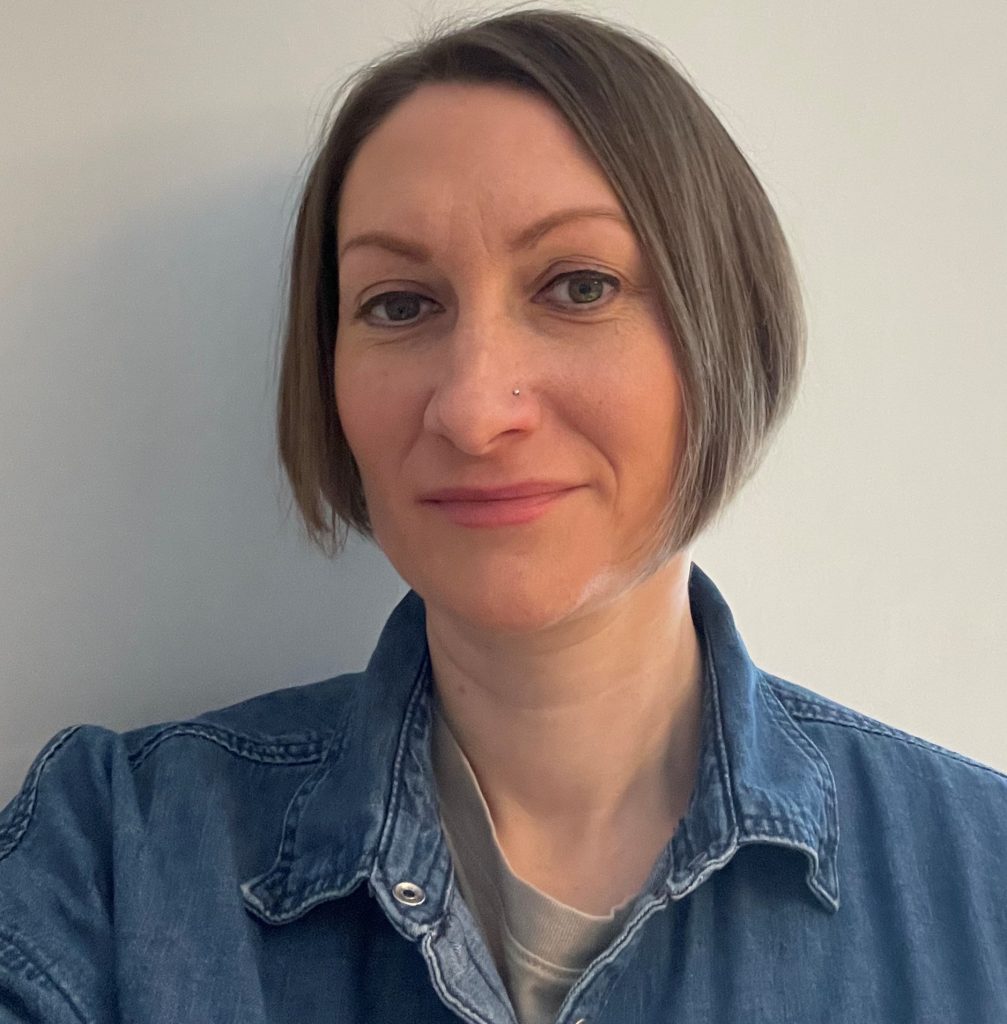
Siobhan Maguire-Swartz
Whatever your reasons for seeking therapy, I am here to listen and support you. I will focus on you with care, compassion, empathy and a non-shaming approach. I work in an integrated way combining different techniques and approaches from a range of styles to best suit clients as we get to know each other. I tailor my approach to best suit your hopes and goals and (most importantly) to stay alongside you in your process. Counselling and Therapy is an organic, evolving, mutual, process where client and therapist collaborate in relationship to support growth. I adapt my style as the work progresses to help achieve your aims. Therapy can be difficult, it’s not a quick fix and it can be painful to look back at traumatic experiences, memories, or current difficulties. That is why I will go at your pace, paying close attention to your needs, staying in constant dialogue, pausing or slowing down when needed. It is important you feel secure within the confidential setting, to explore your issues, so that the work can help to safely heal and transform. I trained in the Humanistic style, meaning I integrate a range of psychotherapeutic theories including: Gestalt Therapy, Transactional Analysis, Person-Centred Therapy and Relational techniques. Having worked with my body as a dance artist for nearly 20 years, I am able to offer a more embodied, somatic-based approach if requested.
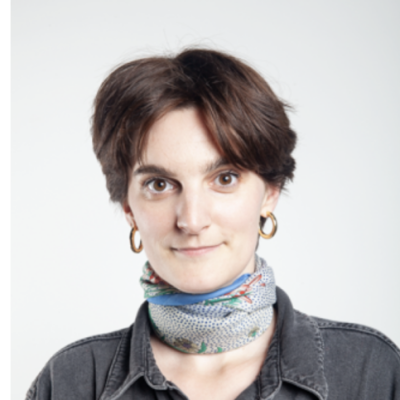
Daisy Marsh
I am a dedicated therapist with experience in both online and face-to-face counselling. My focus lies in offering personalised support and helping individuals and couples navigate through challenges such as anxiety and depression.
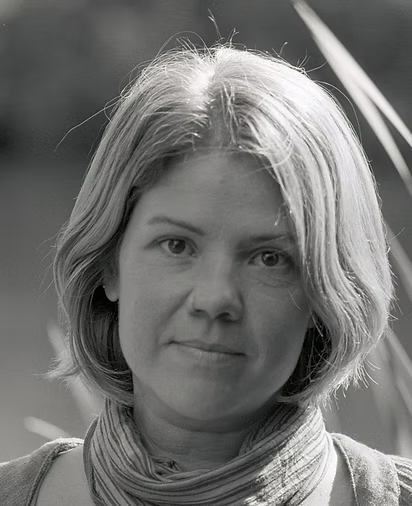
Juliana Jolly
I offer an empathetic and confidential space alongside extensive theoretical understanding of and experience with psychology.
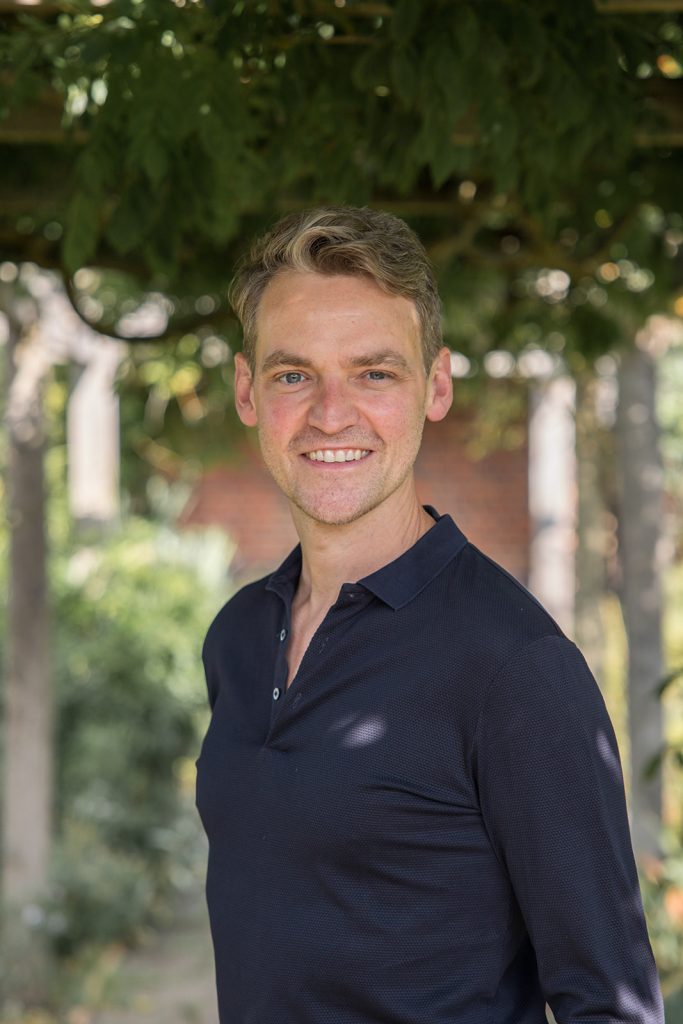
Peter Reynolds
I hold an Advanced Diploma in Integrative Counselling. My training draws on a range of therapeutic approaches, which allows me to adapt my work to suit the needs of each individual client. Before training as a counsellor, I worked for many years in the arts, where I developed a deep interest in people’s stories, emotions and inner worlds — an interest that eventually led me to counselling. Alongside my private practice, I have worked in a bereavement charity and in LGBTQ+ mental health services. These experiences have given me particular insight into grief, loss, identity and the impact of marginalisation — all of which continue to inform my work today.
Maria Troupkou
I am a qualified Dance Movement Psychotherapist offering individual therapy sessions to children and adults.
Lynsey Hotchkies
I am experienced in working with individuals, groups and organisations.
Nick Stewart
I am an experienced Cognitive Behavioural Therapist. I trained at Kings College London, in the Institute of Psychiatry, Psychology & Neuroscience (IOPPN), graduating in 2018.
Richard Mann
As a therapist, I currently work for the NHS and work in private practice. I work with Anxiety, Depression and Trauma and specialise in Addiction, Relationship Issues (Infidelity, Intimacy issues and compulsive sexual behaviour ), LGBTQIA+ and Neurodiversity (Autistic and ADHD clients ) . I believe that therapy should be tailored specially for your individual needs – whether depression, anxiety, self-esteem or PTSD – and I provide a relaxed, safe space where you can feel free to share your issues confidentially and without judgement.
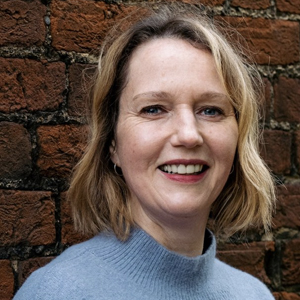
Katherine Watt
I’m a warm, perceptive and experienced therapist, trained in the person-centred approach. Person-centred counselling offers a supportive space in your life, where you can explore your feelings and experiences at whatever pace is comfortable for you.
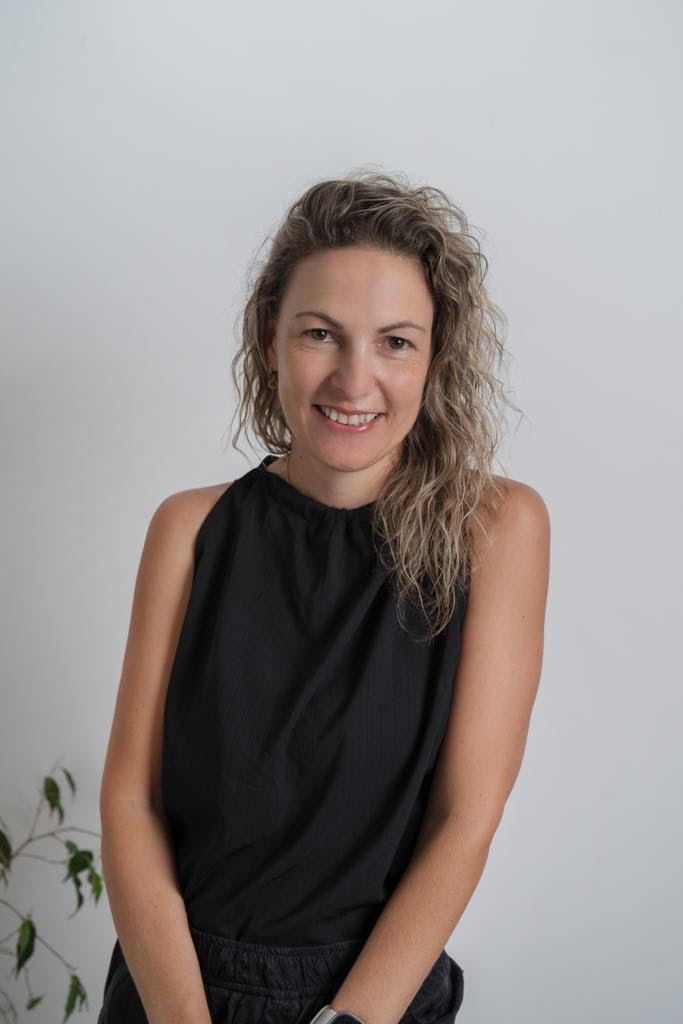
Dafina Ganeva
I started my psychotherapy career as a volunteer of the bereavement team in St.Christopher’s hospice.

Amanda Salib
Shame dies when stories are shared in safe spaces. Each of us has our own unique story, and over my 7 years, I’ve had the privilege of hearing stories from people of all ages and backgrounds.

Amandeep Chana
It is important to me that I create a safe, warm and welcoming environment for you to be yourself. I know that sometimes we can feel like the world is against us.

Billi Silverstein
Seeking therapy can be a complex journey, requiring both commitment and emotional investment. She believes that within a safe and empowering relationship everyone has the capacity to become agents of change.

Eric Bettelheim
Unlike most psychotherapists I have substantial experience in the professions, business and academia.
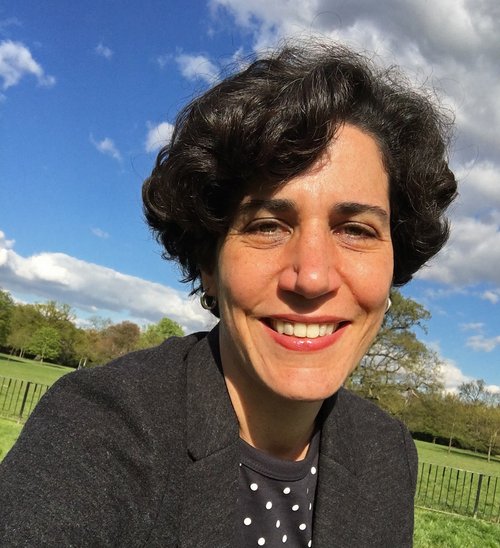
Luisa Kos
I am a psychodynamic psychotherapist trained at WPF and Tavistock Relationships, and a registered member of the BACP. Since qualifying in 2015, I have worked with both couples and individuals in South London, offering short and long-term therapy in person and online. I founded Dulwich Psychotherapy and South London Therapy Group, where I run a private practice and manage therapy rooms that host a community of around 20 practitioners. Before retraining, I spent 15 years in advertising and publishing, holding senior roles in user experience in New York and London, which gives me a unique perspective on the challenges of high-pressure professional environments.
Our experts
Our content is reviewed by professionals. Find out more
Trust our content
We are a PIF TICK ‘trusted information creator’. This means you can be assured that what you are reading is evidence-based, understandable, jargon-free, up-to-date and produced to the best possible standard.
All content was accurate when published.